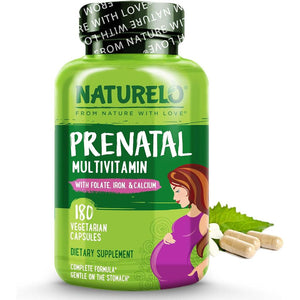
Pregnancy
 New mum
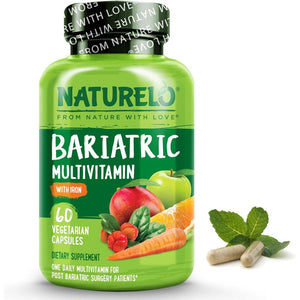
 Bariatric
 Active
 Gut health
 Plant-based
 Over 50


Over 50
What changes in your nutrition after 50
The short answer
The nutritional changes after 50 take a few specific forms. Your skin makes less vitamin D from sunlight, your gut absorbs less vitamin B12 from food, appetite and overall intake often dip so small gaps become more likely, and bone maintenance leans harder on calcium and vitamin D. Most things do not change: you do not suddenly need more iron, and no nutrient becomes an anti-ageing agent. Knowing the few real shifts serves you better than adding a row of new supplements.
- Skin makes vitamin D less efficiently with age.
- B12 absorption from food declines, because it depends on stomach acid.
- Eating less overall makes everyday gaps more likely.
- You do not need more iron, and no supplement slows ageing.

Absorption and synthesis change
Two mechanisms explain most of it. First, the skin's ability to make vitamin D from sunlight falls with age, so the same amount of time outdoors produces less. Second, absorbing B12 from food depends on stomach acid and a carrier protein called intrinsic factor, and both become less reliable over the years. The free form of B12 in fortified foods and supplements skips that first step, which is why it is absorbed more readily. These are modest, gradual changes, and worth accounting for.
You may eat less
Appetite tends to soften with age, portions shrink, and taste and routine change. The result is that even a reasonable diet can leave more gaps than it used to. This is where a one-daily helps at this stage, giving modest cover for the everyday vitamins and minerals a lighter diet may miss. Protein and fibre stay food-first priorities, best met through meals.
What you do not need more of
Marketing tends to blur this point. You do not need more iron after 50, and men rarely need it at any age. Adding iron without a test is not harmless. And there is no nutrient that acts as an anti-ageing or life-extending agent, however a label frames it. The useful goal is steady cover of the few things that shift.
The food-first priorities
Before any supplement, the basics make the biggest difference: enough protein across the day, plenty of vegetables and fibre, oily fish or an omega-3 source, and calcium-rich foods for bones. A supplement fills a gap in that foundation; the diet itself has to be there. If you want cover tuned to this stage, our over-50 range is built for it, with vitamin D as the constant. In an over-50 one-daily, calcium and magnesium contribute to normal energy-yielding metabolism, calcium and vitamin D to the maintenance of normal bones, thiamin to the normal function of the heart, and iodine and zinc to normal cognitive function.
FAQ
Questions people ask
What nutrients do you need more of after 50?
Chiefly attention to vitamin D and B12, and to calcium and vitamin D for bones. Most other needs are unchanged.
Why does absorption change with age?
Vitamin D synthesis in skin falls, and B12 absorption depends on stomach acid, which becomes less reliable over time.
Do you need less of anything after 50?
Iron need does not rise, and for women it falls after menopause. Do not add iron without a test.
Can supplements slow ageing?
No. They can cover specific nutritional gaps, but no supplement slows or reverses ageing.
Keep reading
Related guides
Read the guide →Vitamin B12 and absorption with ageWhy B12 absorption from food declines with age, how food-bound and free B12 differ, who is most at risk, and how much you need.
Read the guide →
The NATURELO nutrition team
Reviewed by Milan Shah, Certificate in Plant-Based Nutrition, T. Colin Campbell Center for Nutrition Studies (eCornell).
This guide is general information, not a substitute for advice from your GP, midwife or pharmacist.