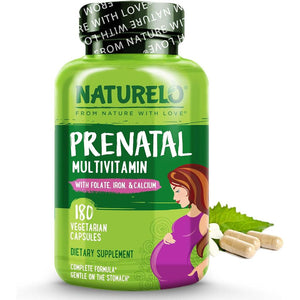
Pregnancy
 New mum
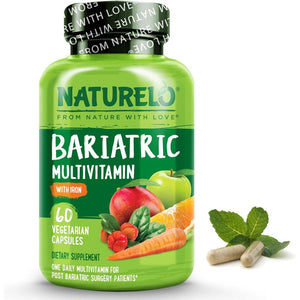
 Bariatric
 Active
 Gut health
 Plant-based
 Over 50


Over 50
Vitamins for the over 50s: a UK guide
The short answer
After 50 a handful of specific changes occur, and knowing which ones helps. Your skin makes vitamin D less efficiently, so the case for taking it strengthens. Your body tends to absorb vitamin B12 from food less well. And bone maintenance, which depends on calcium and vitamin D, becomes more of a focus. That is most of the real list. No supplement slows ageing or extends life, whatever the packaging implies, so the useful goal is steady, sensible cover.
- Vitamin D becomes more of a year-round consideration with age.
- B12 absorption from food declines, so the form you get matters.
- Bone maintenance, built on calcium and vitamin D, comes to the front.
- Ignore anything promising to slow ageing. That is not what a supplement does.

Start here
The guides in this section
For women: vitamins for women over 50. For men: men over 50.
What changes after 50
The changes are real but modest, and they take specific forms.
| What changes | What it means |
|---|---|
| Skin makes less vitamin D | The year-round case gets stronger |
| B12 absorbed less well from food | The free form in supplements absorbs more readily |
| Bone maintenance matters more | Calcium and vitamin D come to the front |
| Appetite and intake can dip | A one-daily helps cover small gaps |
Vitamin D
Everyone in the UK is advised to consider 10 micrograms of vitamin D a day through autumn and winter. With age, and especially if you are less often outdoors, the case for taking it all year strengthens, which is why older adults who are rarely outside are among the groups the NHS advises to supplement year-round. Our vitamin D guide has the doses.
B12 and absorption
Absorbing B12 from food depends on stomach acid and a protein called intrinsic factor, and that process becomes less reliable with age. The free form in fortified foods and supplements does not need that first step, so it is absorbed more readily. B12 contributes to normal energy-yielding metabolism, to the nervous system, and to the reduction of tiredness and fatigue. Our page on B12 and absorption with age covers it.
Bones
Bone is living tissue that is maintained throughout life, and calcium and vitamin D are central to that maintenance: vitamin D helps your body absorb calcium, and calcium is needed for the maintenance of normal bones. The UK reference intake for calcium is 700 mg a day, mostly from food. This is where a bit of attention after 50 is well spent, alongside staying active. Our guide to bones after 50 goes into vitamin D, calcium and K2.
Eating enough
One quiet change is that appetite and intake can dip with age, which makes it easier to fall short on the everyday vitamins and minerals even with a decent diet. This is where a one-daily helps at this stage, covering the small gaps a lighter diet leaves. If you want cover tuned to this age, our over-50 routine is built around it.
FAQ
Questions people ask
What vitamins should over 50s take?
Vitamin D is the key one, B12 deserves attention as absorption declines, and calcium and vitamin D matter for bones. A varied diet does the rest.
Do you need more vitamin D as you age?
The case for taking it year-round strengthens with age, particularly if you are rarely outdoors. Everyone should consider it through winter.
Do over-50 multivitamins help you live longer?
No supplement extends life or slows ageing. An over-50 formula tunes everyday levels to this stage.
Is B12 a problem after 50?
Absorption from food declines with age, so the readily-absorbed form in supplements and fortified foods is worth knowing about.
Keep reading
Related guides
Read the guide →Vitamins for men: a sensible UK guideWhat men actually need in the UK: vitamin D for everyone, why men rarely need iron, omega-3 if you skip fish, and what to ignore.
Read the guide →
Written by NATURELO Editorial Team
Edited by Milan Shah, Certificate in Plant-Based Nutrition
This guide is general information, not a substitute for advice from your GP, midwife or pharmacist.