Pregnancy
 New mum
 Bariatric
 Active
 Gut health
 Plant-based
 Over 50


Learn
The UK guide, in one read
The short answer
Most healthy adults eating a varied diet need less than the supplement aisle suggests. The one thing nearly everyone in the UK should think about is vitamin D through the autumn and winter, when there is not enough sunlight to make it. Beyond that, what is worth taking depends on your stage of life and your diet. This guide points you to the right place for yours.
- Food first. A supplement fills a gap, it does not replace a good diet.
- Nearly everyone in the UK: consider vitamin D in autumn and winter.
- After that, it depends on your life stage and how you eat.
- Use the routine builder to put together only what you actually need.

Does everyone need supplements?
No, even on a website that sells them. If you eat a varied diet with enough fruit, vegetables, wholegrains and protein, you are getting most of what you need from food, and that is the goal. Supplements earn their place when there is a real gap: a stage of life with higher needs, a diet that leaves something out, or the specific case of a UK winter. A multivitamin is a form of insurance, and no capsule out-runs a poor diet.
The one nearly everyone in the UK should think about
Vitamin D is the exception to "you probably get it from food". Between about October and March there is not enough sunlight in the UK for your skin to make it, so the NHS suggests adults and children over one consider 10 micrograms a day through the darker months. Some people are advised to take it all year: those who are rarely outdoors, who cover their skin, or who have darker skin. It is the single most sensible supplement for most people here, and our vitamin D guide covers the dose in detail.
Find your stage
Pick the one that fits, and each guide tells you what to prioritise and what you can skip.
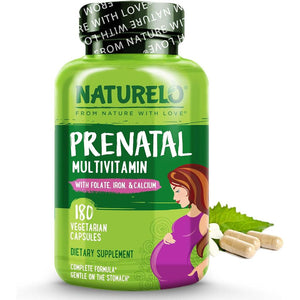
- Trying to conceive or pregnant: start with folic acid and vitamin D. See the pregnancy guide.
- A new mum: what changes after the birth, and while breastfeeding.
- Plant-based: the handful of nutrients a vegan diet needs a plan for, led by B12, omega-3, iron and vitamin D.
- Over 50: what shifts with age, and what to prioritise.
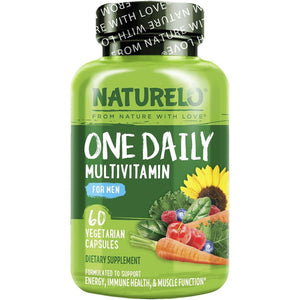
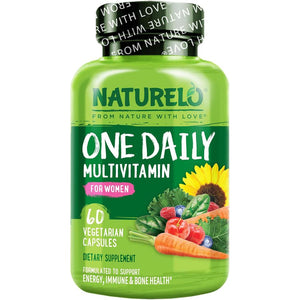
- Women, and men: the everyday essentials, and nothing surplus.
- Active: eating and supplementing around training.
- Everyday basics: a simple daily foundation.
How to build a routine you will keep
A routine only works if you keep to it. That means as few products as cover your gaps, at sensible doses and in a form that suits you. Our routine builder walks you through it by stage and diet, and puts together only what applies to you, so you are not paying for a shelf of bottles you will forget by February.
FAQ
Questions people ask
Do I really need a multivitamin?
Not necessarily. If you eat well, you may only need to think about vitamin D in winter. A multivitamin is useful cover if your diet has gaps.
What vitamins does the NHS recommend?
For the general population, vitamin D in autumn and winter, with year-round advice for some groups. Pregnancy has its own specific advice.
Can you take too many vitamins?
Yes, with some. Fat-soluble vitamins and minerals like iron can build up, so more is not always better. Each guide flags where that matters.
Where do I start?
With your life stage and your diet. Pick your stage above, or use the routine builder.
Keep reading
Related guides
Read the guide →Magnesium forms explained: glycinate, citrate and oxideWhich magnesium form to choose: how bisglycinate, citrate and oxide differ in absorption and tolerance, and what our complex uses.
Read the guide →Iron bisglycinate: the gentle, well-absorbed form of ironWhy iron bisglycinate is gentler on the stomach, how to take it so it absorbs, and when you actually need an iron supplement.
Read the guide →Methylfolate vs folic acid: what is the difference?Folate, folic acid and methylfolate explained, what MTHFR really means, and the honest evidence on which folate form to choose.
Read the guide →Vegan omega-3: algal DHA and how much you needAlgae oil is the direct plant source of the DHA in fish oil. How much DHA you need, and how to read the label so you get it.
Read the guide →Whole-food vitamin C: acerola, bioflavonoids and how much you needWhole-food vitamin C versus ascorbic acid, honestly: the role of acerola and bioflavonoids, and how much vitamin C you actually need.
Read the guide →Choline: what it is and why it mattersWhat choline does, why the UK sets no target, the food-first sources led by eggs, and why it matters in pregnancy. Calm and UK-based.
Read the guide →Iodine: how much you need and where to get itWhy iodine matters, the 140 microgram target, the dairy and fish sources, the plant-based risk, and why a measured amount beats variable kelp.
Read the guide →Vitamin B12: the guideWhat B12 does, why a plant-based diet needs a reliable source, methylcobalamin versus cyanocobalamin, and the honest truth about spirulina.
Read the guide →Plant-based calcium from marine algae: the guideWhat calcium does, the 700 milligram target, food-first sources, the plant-based gap, and calcium from marine algae like Aquamin.
Read the guide →Vitamin K2 (MK-7): the guideWhat vitamin K2 does, MK-7 versus MK-4, why D3 and K2 are paired for bones, and the warfarin caution worth knowing. UK-based.
Read the guide →Zinc: the guideWhat zinc does, the reference intake, why a plant-based diet absorbs less, and the honest upper limit and copper caution. UK-based.
Read the guide →
Written by NATURELO Editorial Team
Edited by Milan Shah, Certificate in Plant-Based Nutrition
This guide is general information, not a substitute for advice from your GP, midwife or pharmacist.