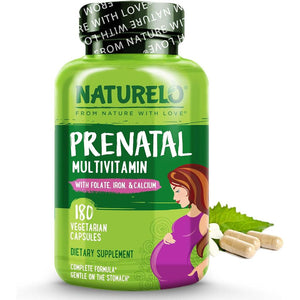
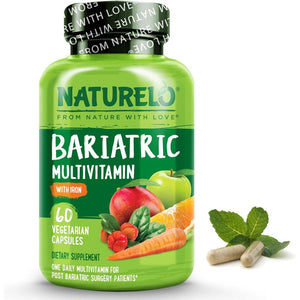
Pregnancy
 New mum
 Bariatric
 Active
 Gut health
 Plant-based
 Over 50


Ingredients explained
Calcium supplements: how much you need and which form
The short answer
Most people in the UK reach the 700 milligrams of calcium a day they need from food, dairy especially, so a calcium supplement is really for those who fall short, most often anyone who does not eat dairy. If that is you, the two things to get right are how much and which form: enough to fill the gap your diet leaves, in a form that suits you, including calcium drawn from marine algae for a plant-based routine. Calcium does more than bones and teeth, but bones and teeth are the reason most people think about it.
- Most people get enough calcium from food. A supplement is for filling a gap, mainly on a dairy-free diet.
- The UK reference intake is 700 milligrams a day.
- Dairy is the easy source. A dairy-free diet needs a plan for calcium.
- Marine algae, such as Aquamin, is a plant-based source of calcium.

Do you need a calcium supplement?
Probably not, if you eat dairy. The UK reference intake is 700 milligrams a day, and milk, yoghurt and cheese make that easy to reach without counting. A calcium supplement earns its place when your diet leaves a gap, and the clearest case is a dairy-free or plant-based diet, where the everyday sources are missing. So the honest order is to look at your diet first, and reach for a supplement to fill what food does not cover, rather than adding calcium on top of a diet that already has enough.
What does calcium do?
Most people think of calcium as the bone mineral, and it is, but the authorised descriptions cover more than that. Calcium contributes to the maintenance of normal bones and teeth, to normal muscle function, to normal blood clotting, to normal neurotransmission, to normal energy-yielding metabolism and to the normal function of digestive enzymes. Bones hold most of the body's calcium, which is why it is talked about the way it is, but it has these other roles too.
How much, and getting it from food first
The UK reference intake is 700 milligrams a day for adults. Calcium is a food-first nutrient, and for most people dairy supplies most of it: milk, yoghurt and cheese are rich, everyday sources. If you eat those, you are probably getting close without counting. Food first is the right order here, because it is easy to reach 700 milligrams from a normal diet that includes some dairy or fortified alternatives.
The plant-based problem
Without dairy, it gets harder. If you do not eat dairy, calcium becomes a nutrient you have to plan for. Plant sources exist, but they are less concentrated: fortified plant milks and yoghurts, calcium-set tofu, some leafy greens like kale, and tahini. The trap is the plant milk that is not fortified, which gives almost no calcium. So a plant-based diet can meet its calcium needs, but only on purpose, by choosing fortified products or a supplement to fill the gap.
Which form of calcium?
Calcium supplements come in a few forms. The common mineral forms are calcium carbonate, which carries a lot of calcium by weight and is best taken with food, and calcium citrate, which is gentler to take on an empty stomach. For a plant-based routine there is also calcium drawn from marine algae rather than from mined minerals, which is the form our own calcium uses, covered next. All of them raise your calcium intake; the right one is the one that suits your diet and sits comfortably for you.
Calcium from marine algae
For a plant-based supplement, one option is calcium drawn from marine algae rather than from rock-mined minerals. Aquamin is a source of this kind, made from a calcified red seaweed that takes up calcium and other minerals from seawater as it grows, leaving a plant-derived, multi-mineral calcium. It is the source used in our Bone Strength formula. It suits a plant-based routine and comes with the trace minerals that occur naturally alongside it.
Building bone support
Calcium rarely works alone on a bone-support label. Vitamin D helps your body absorb calcium, and vitamin K2 contributes to the maintenance of normal bones, which is why bone formulas tend to combine the three. Our Bone Strength provides 600 mg of calcium (75% of the daily reference intake), from Aquamin marine algae, brought together with magnesium, vitamin D3 and K2 in one formula. Calcium is needed for the maintenance of normal bones and teeth. If you want the detail on the partners, the vitamin K2 guide and the vitamin D3 guide cover each in turn.
FAQ
Questions people ask
What does calcium do?
It contributes to the maintenance of normal bones and teeth, to normal muscle function, to normal blood clotting and to normal neurotransmission, among other roles.
How much calcium do I need a day?
The UK reference intake is 700 milligrams for adults, from food and supplements combined.
What are the best plant sources of calcium?
Fortified plant milks and yoghurts, calcium-set tofu, some leafy greens like kale, and tahini. Unfortified plant milk gives very little.
Is marine algae calcium good?
It is a plant-based source of calcium that also carries trace minerals from the seaweed it comes from, which suits a plant-based routine.
Keep reading
Related guides
Read the guide →Vitamin D3: how much to take, and is 5000 IU too much?The NHS baseline, D3 versus D2, vegan D3 from lichen, and an honest look at the safe upper level and the 5000 IU question.
Read the guide →
Written by NATURELO Editorial Team
Edited by Milan Shah, Certificate in Plant-Based Nutrition
This guide is general information, not a substitute for advice from your GP, midwife or pharmacist.