Pregnancy
 New mum
 Bariatric
 Active
 Gut health
 Plant-based
 Over 50


Bariatric
Bariatric multivitamins: what you need after weight-loss surgery (UK)
The short answer
After weight-loss surgery you will need to take vitamin and mineral supplements for life, tailored to your operation and confirmed by regular blood tests. This is standard, not optional, because surgery reduces how much you eat and how much your body absorbs. A dedicated bariatric multivitamin is the backbone of that routine, usually alongside a few specific extras your team recommends, such as calcium with vitamin D and vitamin B12. Your surgical and dietetic team leads on exactly what and how much you take, so follow their plan and keep your blood tests up to date.
- Supplements after bariatric surgery are lifelong and led by your team.
- A standard high-street multivitamin is usually not enough on its own.
- A bariatric multivitamin is the backbone; your team adds the specifics.
- Regular blood tests decide what you need and in what amount.
- Nothing here replaces the plan your surgical and dietetic team gave you.

Why weight-loss surgery changes what you need
Surgery changes both how much you can eat and how your gut absorbs food. You eat considerably less, and depending on the procedure, your gut absorbs fewer vitamins and minerals from what you do eat. Together, those make it hard to get everything you need from food alone, which is why lifelong supplementation is built into aftercare. In the UK this is guided by your surgical and dietetic team, working to the specialist guidance of the British Obesity and Metabolic Surgery Society (BOMSS), and it is one of the parts of recovery that lasts long after you feel back to normal.
Why a standard multivitamin is usually not enough
A regular high-street multivitamin is designed for someone with typical absorption and a full-sized diet, so it often falls short after surgery, both in the nutrients it includes and the amounts. It is why the choice belongs with your team. Your team will tell you what your particular operation calls for, and your blood results will show whether it is working.
What a bariatric multivitamin covers
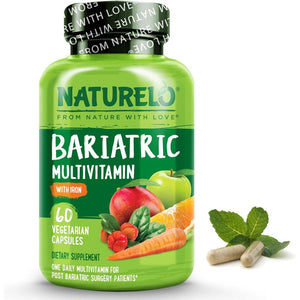
A dedicated bariatric multivitamin is built to be the daily backbone, with a fuller spread of nutrients and added iron, which is one of the common shortfalls after surgery. In ours, iron contributes to the normal formation of red blood cells and haemoglobin, vitamin E contributes to the protection of cells from oxidative stress, biotin contributes to normal macronutrient metabolism, and vitamin K contributes to normal blood clotting. Each of those is a normal function the nutrient contributes to. It is the foundation of the routine, and your team builds the rest around it.
What your team may add
For most people the multivitamin sits alongside a few specific extras, because certain nutrients are needed in amounts or forms a single tablet cannot sensibly carry. Commonly that means calcium together with vitamin D, and vitamin B12, with the exact choices depending on your procedure and your blood results. The exact mix varies from person to person. This is the part for your dietitian to set, because it is personal to you and it changes over time.
Blood tests and taking it for life
Two habits keep this safe and working. First, take your supplements every day, for life, not just in the months after surgery when it feels most urgent. Second, keep up with the blood tests your team arranges, because they are how anyone can tell whether your levels are where they should be and adjust the plan. If you are struggling to tolerate a supplement, or you think you have missed a stretch of them, tell your team rather than doubling up or quietly stopping.
Your after-surgery routine
If your team is happy with a complete bariatric multivitamin with iron as your daily backbone, ours is built for exactly that, and you can see it and the rest of the after-surgery range on our bariatric routine. Add whatever specific extras your dietitian has recommended, and always follow your team's plan first. For more on the two nutrients people ask about most, see the iron bisglycinate guide and the vitamin D3 guide.
FAQ
Questions people ask
What vitamins do I need after weight-loss surgery?
A bariatric multivitamin as the backbone, usually with calcium and vitamin D and vitamin B12, tailored by your team and confirmed by blood tests.
Is a normal multivitamin enough after bariatric surgery?
Usually not. Standard multivitamins are not designed for the reduced intake and altered absorption after surgery.
How long do I take bariatric vitamins for?
For life. Supplementation after weight-loss surgery is a permanent part of aftercare.
Who decides what I should take?
Your surgical and dietetic team, using your blood results. This guide is general information, not a personal plan.
Keep reading
Related guides
Read the guide →Vitamin D3: how much to take, and is 5000 IU too much?The NHS baseline, D3 versus D2, vegan D3 from lichen, and an honest look at the safe upper level and the 5000 IU question.
Read the guide →
Written by NATURELO Editorial Team
Edited by Milan Shah, Certificate in Plant-Based Nutrition
This guide is general information, not a substitute for advice from your GP, midwife or pharmacist.