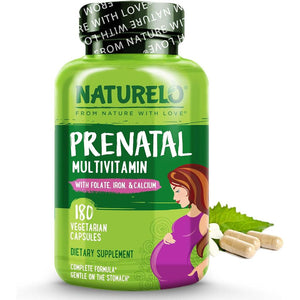
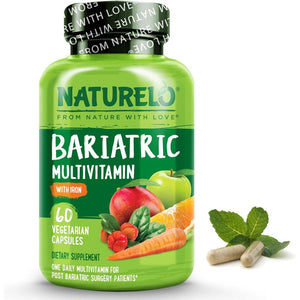
Pregnancy
 New mum
 Bariatric
 Active
 Gut health
 Plant-based
 Over 50


Ingredients explained
Iron bisglycinate: the gentle, well-absorbed form of iron
The short answer
Ferrous bisglycinate is iron bound to the amino acid glycine, a gentle form often chosen because it is easy to keep taking. Iron is worth adding when there is a reason rather than just in case, and vitamin C alongside helps absorption. If you are unsure whether you need extra iron, ask your GP or pharmacist.
- Ferrous bisglycinate is iron bound to glycine, a gentle form often chosen for how easily it is tolerated.
- A 2023 review found fewer gut side effects than other iron supplements in trials of pregnant women; evidence in other groups is more limited.
- Vitamin C increases iron absorption; tea, coffee and dairy at the same time reduce it.
- Add iron when there is a reason, rather than just in case; if unsure, ask your GP or pharmacist, and avoid it in iron overload unless advised.

What iron does, and who runs short
Iron contributes to normal formation of red blood cells and haemoglobin, the part of your blood that carries oxygen around the body. Most people get what they need from a varied diet, so running short is not a given. It tends to come up when there is ongoing blood loss such as heavy periods, when a diet makes iron harder to come by, or when a GP or midwife has flagged it. If that is you, the next question is usually which form to take, because the form is where a lot of the day-to-day difference lies.
Why people choose bisglycinate
Ferrous bisglycinate is iron bound to the amino acid glycine. People tend to choose it because it is gentle on the stomach and easy to keep taking, which matters more than it sounds, since the iron that helps you is the one you actually stay on. A 2023 systematic review found fewer gastrointestinal side effects with ferrous bisglycinate than with other iron supplements in trials of pregnant women, though the evidence in other groups was more limited. If an iron has left you feeling rough before, a gentler form is a reasonable thing to try.
How to take iron so it absorbs
Vitamin C increases iron absorption, so take your iron with a source of vitamin C, such as a glass of orange juice, or choose one with vitamin C already in the capsule. Tea, coffee and calcium or dairy at the same time pull the other way, so keep them to a different part of the day where you can. There is no need to be rigid about the hour. If iron upsets you, a doctor may suggest taking it every other day.
Do you actually need one?
Iron is one to add when there is a reason, rather than just in case, partly because too much is its own problem. If you are not sure whether you need extra iron, ask your GP or pharmacist. And if you have haemochromatosis or another condition that causes iron overload, do not start iron unless your clinician has advised it. When you have decided to go ahead, our guide to how to choose an iron supplement walks through form, dose and what else you might already be taking.
Sources
- Department of Health and Social Care. Great Britain nutrition and health claims (NHC) register
- NHS. Iron
- NIH Office of Dietary Supplements. Iron: fact sheet for health professionals
- British Dietetic Association. Iron: food fact sheet
- Stoffel N.U. et al. (2017). Iron absorption from oral iron supplements given on consecutive versus alternate days and as single morning doses versus twice-daily split dosing in iron-depleted women. The Lancet Haematology 4(11):e524-e533
- NHS. Haemochromatosis
- Fischer JAJ et al. (2023). The effects of oral ferrous bisglycinate supplementation on hemoglobin and ferritin concentrations: a systematic review and meta-analysis. Nutrition Reviews
FAQ
Questions people ask
Is iron bisglycinate better?
There is no single best form for everyone. Bisglycinate is often chosen because it is gentle on the stomach and easy to keep taking, and a 2023 review found fewer gut side effects in trials of pregnant women. What matters most is the one you can stay on comfortably.
Does iron bisglycinate cause constipation?
Any iron can be hard on digestion for some people. Bisglycinate is often chosen because it tends to be gentler, and a 2023 review found fewer gastrointestinal side effects than other iron supplements in trials of pregnant women, though evidence in other groups was more limited.
When should I take iron?
With food and a full glass of water, at a time that suits you. Vitamin C alongside helps absorption, while tea, coffee and calcium or dairy at the same time get in the way, so keep those to another part of the day where you can.
Do I need an iron supplement?
Not automatically. Most people get enough from a varied diet, so iron is one to add when there is a reason such as heavy periods or professional advice. If you are unsure, ask your GP or pharmacist.
Keep reading
Related guides
Read the guide →Whole-food vitamin C: acerola, bioflavonoids and how much you needWhole-food vitamin C versus ascorbic acid, honestly: the role of acerola and bioflavonoids, and how much vitamin C you actually need.
Read the guide →
Written by NATURELO Editorial Team
Edited by Milan Shah, Certificate in Plant-Based Nutrition
This guide is general information, not a substitute for advice from your GP, midwife or pharmacist.