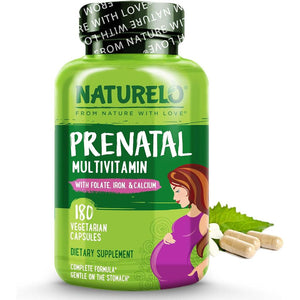
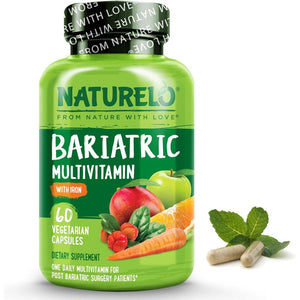
Pregnancy
 New mum
 Bariatric
 Active
 Gut health
 Plant-based
 Over 50


Ingredients explained
Vegan omega-3: algal DHA and how much you need
The short answer
Algae oil is the direct plant source of the omega-3 DHA that fish are famous for, because fish get their omega-3 from the algae they eat in the first place. If you do not eat oily fish, an algal DHA supplement is the straightforward way to get it. On the label, the figure that counts is the DHA amount. Ours provides 800 mg of DHA per serving from algae.
- Fish get their omega-3 from algae, so algal oil is the original source.
- DHA is the omega-3 to focus on for a plant-based supplement.
- Read the DHA figure, not the total omega blend or oil weight.
- Around 250 mg of DHA a day is the amount tied to its recognised roles in brain and vision.

Why omega-3, and where DHA fits
Omega-3 is a family of fats. The two that get the attention are EPA and DHA, the long-chain forms found in oily fish. In the UK the advice is to eat one to two portions of oily fish a week to get them. Plenty of people do not, whether by taste or by diet, and plant sources like flaxseed give a shorter-chain omega-3 that the body converts into DHA only slowly and in small amounts. That is the gap a direct DHA supplement fills.
Algae: the original source
Fish do not make omega-3, which surprises people. They accumulate it from the microalgae at the base of the marine food chain. Algal oil skips the fish and goes to the source, which is why it works for a plant-based diet. It is the same DHA that fish oil provides, one step earlier in the food chain.
How much DHA, and reading the label
Labels make this figure hard to find. A product might advertise '1000 mg of omega oil' while the DHA in it is a fraction of that, with the rest made up of other fats. So find the DHA line. As a reference point, about 250 mg of DHA a day is the amount linked to DHA's recognised role in maintaining normal brain function and normal vision. Our algal oil provides 800 mg of DHA per serving, so most of what you take is the DHA you are buying it for.
For plant-based diets and pregnancy
Algal DHA is an easy fit for a vegan or vegetarian routine, and it sits naturally alongside the other nutrients that need attention on a plant-based diet, like B12, iron and vitamin D. DHA also matters in pregnancy, which we cover in the pregnancy guide, where the amount and the maternal context are what count.
FAQ
Questions people ask
Is algae oil as good as fish oil?
For DHA, yes. Algal oil is the source fish get their DHA from. Fish oil also provides EPA, so if you specifically want EPA, check the label.
How much DHA per day?
About 250 mg a day is the reference amount for DHA's recognised roles in brain and vision. Ours provides 800 mg per serving.
Is algal omega-3 vegan?
Yes. It is grown from algae, with no fish involved.
Do I need EPA as well as DHA?
For a plant-based DHA supplement, DHA is the priority. If you want EPA too, a combined algal oil or fish oil provides both.
Keep reading
Related guides
Read the guide →Vitamin D3: how much to take, and is 5000 IU too much?The NHS baseline, D3 versus D2, vegan D3 from lichen, and an honest look at the safe upper level and the 5000 IU question.
Read the guide →
Written by NATURELO Editorial Team
Edited by Milan Shah, Certificate in Plant-Based Nutrition
This guide is general information, not a substitute for advice from your GP, midwife or pharmacist.