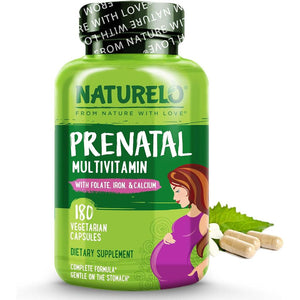
Pregnancy
 New mum
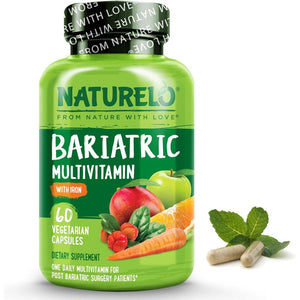
 Bariatric
 Active
 Gut health
 Plant-based
 Over 50


Ingredients explained
Whole-food vitamin C: acerola, bioflavonoids and how much you need
The short answer
Vitamin C from a whole-food source like acerola cherry is the same vitamin as the ascorbic acid in a standard tablet, but it comes packaged with the other compounds found alongside it in the fruit, such as bioflavonoids. The UK reference intake is a modest 40 mg a day, and most people meet it from food. A supplement is useful if your diet is short on fruit and vegetables, or you simply want a daily top-up.
- Whole-food vitamin C is the same vitamin as ascorbic acid, with fruit co-factors alongside.
- The UK reference intake is 40 mg a day.
- Vitamin C helps your body absorb iron from plant foods.
- Ours is from acerola cherry with citrus bioflavonoids.

How much vitamin C do you need?
Less than most people assume. The UK reference intake for adults is 40 mg a day, which is easily met by a normal diet with some fruit and vegetables in it. Vitamin C is water-soluble, so your body does not store much, and any surplus is passed out. Keep that in mind before buying a high-dose product: past a point the extra passes straight through, giving you a brighter stream and little more. In the allowed terms, vitamin C contributes to the normal function of the immune system and to the protection of cells from oxidative stress.
Whole-food vitamin C versus ascorbic acid
There is a lot of hype in this category. Ascorbic acid is chemically identical to the vitamin C in an orange. It is not a lesser or synthetic imitation, and a whole-food product is not "better vitamin C". What a whole-food source does bring is the company the vitamin keeps in the fruit: bioflavonoids and other plant compounds that come along for the ride. Some people prefer that fuller package and a gentler, food-based form. That is a fair preference, stated without pretending the molecule itself is different.
Acerola and bioflavonoids
Acerola cherry contains vitamin C at unusually high levels, which is why it is a popular base for a whole-food product. Bioflavonoids are the plant compounds that occur with vitamin C in citrus and other fruits. Ours pairs vitamin C from acerola and ascorbate with citrus bioflavonoids, at 500 mg of vitamin C per serving, for people who want a generous daily amount in a food-based form.
A useful pairing: vitamin C and iron
One practical thing vitamin C does is help your body absorb the non-haem iron found in plant foods and iron supplements. If you take iron, taking it with a source of vitamin C is a simple way to get more from it, which is why our iron already includes vitamin C, and why the two come up together.
FAQ
Questions people ask
Is whole-food vitamin C better than ascorbic acid?
The vitamin is the same molecule. Whole-food sources bring bioflavonoids and other fruit compounds alongside it, which some people prefer.
How much vitamin C should I take a day?
The UK reference intake is 40 mg. More is fine within reason, but your body does not store the excess.
What are bioflavonoids?
Plant compounds that occur naturally alongside vitamin C in fruits like citrus and acerola.
Does vitamin C help iron absorption?
Yes. It helps your body absorb the non-haem iron in plant foods and supplements, so the two are often taken together.
Keep reading
Related guides
Read the guide →Vitamin D3: how much to take, and is 5000 IU too much?The NHS baseline, D3 versus D2, vegan D3 from lichen, and an honest look at the safe upper level and the 5000 IU question.
Read the guide →
Written by NATURELO Editorial Team
Edited by Milan Shah, Certificate in Plant-Based Nutrition
This guide is general information, not a substitute for advice from your GP, midwife or pharmacist.