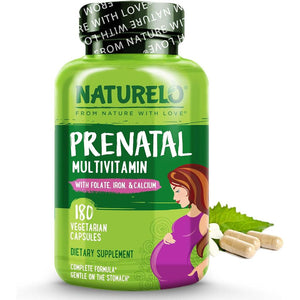
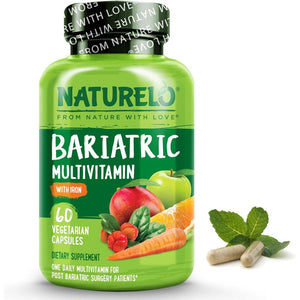
Pregnancy
 New mum
 Bariatric
 Active
 Gut health
 Plant-based
 Over 50


Ingredients explained
Zinc: the guide
The short answer
Zinc is a mineral your body uses across a wide range of everyday jobs. In the terms UK rules allow, it contributes to normal immune function, to normal cognitive function, to the maintenance of normal skin, hair and nails, and to the protection of cells from oxidative stress, among others. The reference intake is modest, around 9.5 milligrams a day for men and 7 for women, and most people get it from food. Two points matter here: a plant-based diet absorbs less of it, and more is not better, because too much zinc over time can affect your copper balance.
- Zinc contributes to normal immune function, cognitive function, and the maintenance of normal skin, hair and nails.
- The UK reference intake is about 9.5 milligrams a day for men and 7 for women.
- Plant-based diets absorb less zinc, so it is one to plan for.
- More is not better. High long-term doses can affect copper balance.

What does zinc do?
Zinc is involved in a wide range of processes, and the authorised descriptions reflect that. Zinc contributes to normal immune function, to normal cognitive function, to the maintenance of normal skin, hair and nails, to the protection of cells from oxidative stress, to normal DNA synthesis, to normal macronutrient, fatty-acid and vitamin A metabolism, to normal acid-base metabolism and to the process of cell division. That is a broad set of roles, which is why zinc turns up in immune and skin formulas alike. Those are the authorised functions. Other claims you sometimes see zinc sold on are not supported by the evidence or the rules.
How much do you need, and who is short?
The UK reference intake is about 9.5 milligrams a day for men and 7 milligrams for women. Most people meet it from food, with meat, shellfish, dairy, wholegrains, nuts and seeds among the better sources. The group most likely to fall a little short is anyone on a plant-based diet, for a specific reason covered below. For most people eating a varied diet, zinc is not something you need to chase.
Forms and absorption
Zinc comes in several forms, such as citrate, gluconate, picolinate and bisglycinate, and they differ modestly in how well they absorb, though for most people the practical difference is smaller than the marketing suggests. For a plant-based eater, what matters more than the form is the food around it. Wholegrains and legumes contain phytates, natural compounds that bind zinc and reduce how much you absorb, which is why a plant-based diet needs a bit more zinc than the headline number and why it is a nutrient worth planning for on a vegan routine.
How much is too much?
Many zinc pages skip this next point. Zinc has a fairly low ceiling for long-term supplementing, with guidance putting the upper level for adults at around 25 milligrams a day from supplements. The reason is copper: zinc and copper compete, so taking a lot of zinc over a long period can lower your copper. Whatever strength you choose, what counts is your total zinc from everything you take, because more is not better with zinc.
Which should you choose?
If you want a small everyday insurance dose, most people need only a modest amount, and pairing zinc with vitamin C is common in immune-focused formulas. Ours is a higher-strength option, providing 35 mg of zinc (350% NRV) as zinc citrate with vitamin C from acerola. That is above the 25 milligrams a day usually given as the everyday limit for supplemental zinc. Zinc contributes to the normal function of the immune system. If you follow a plant-based diet, zinc sits alongside the other nutrients the plant-based guide flags, and the vitamin C guide covers the partner it is often paired with.
Sources
- Department of Health and Social Care. Great Britain nutrition and health claims (NHC) register
- NHS. Vitamins and minerals: others (zinc)
- NIH Office of Dietary Supplements. Zinc: fact sheet for health professionals
- EFSA NDA Panel (2014). Scientific Opinion on Dietary Reference Values for zinc. EFSA Journal 12(10):3844
FAQ
Questions people ask
What does zinc do?
It contributes to normal immune function, normal cognitive function, the maintenance of normal skin, hair and nails, and the protection of cells from oxidative stress, among other roles.
How much zinc do I need a day?
The UK reference intake is about 9.5 milligrams for men and 7 for women.
Can you take too much zinc?
Yes. Guidance puts the upper level at around 25 milligrams a day from supplements, because high long-term intakes can lower copper.
Do vegans need more zinc?
Often a little more, because phytates in wholegrains and legumes reduce how much zinc you absorb.
Keep reading
Related guides
Read the guide →Vegan and plant-based supplements: the UK guideA calm, food-first UK guide to the few nutrients a plant-based diet needs a plan for, led by B12, then omega-3, iron, vitamin D and iodine.
Read the guide →
Written by NATURELO Editorial Team
Edited by Milan Shah, Certificate in Plant-Based Nutrition
This guide is general information, not a substitute for advice from your GP, midwife or pharmacist.