Pregnancy
 New mum
 Bariatric
 Active
 Gut health
 Plant-based
 Over 50


Ingredients explained
Iodine: how much you need and where to get it
The short answer
Iodine is a mineral your body needs to make thyroid hormones, and it contributes to normal cognitive function and to normal thyroid function. In the UK most people get it from dairy and white fish. The reference intake is 140 micrograms a day. If you avoid dairy and fish, on a plant-based or dairy-free diet, iodine is one of the nutrients you need a plan for, because plant foods are a poor source. Kelp and seaweed are rich in iodine, but their content is high and unpredictable, so a measured amount is the safer route than a raw kelp powder.
- Iodine contributes to normal thyroid function and normal cognitive function.
- The UK reference intake is 140 micrograms a day.
- Dairy and white fish are the main UK sources. Plant foods give little.
- Kelp is iodine-rich but very variable, so a declared, standardised amount is the controlled choice.

Why iodine matters
Iodine's main job is to help your body make thyroid hormones, which is why the authorised descriptions are that iodine contributes to normal thyroid function, to the normal production of thyroid hormones and to normal cognitive function. Most people give iodine no thought until their intake drops. Most people in the UK get enough without trying, because it comes through the diet in foods a lot of people eat every day.
How much do you need, and who falls short?
The UK reference intake is 140 micrograms a day for adults. Most people meet it from dairy and white fish. The group that most often falls short is anyone who has cut those out. A plant-based or strictly dairy-free diet is low in iodine unless it is planned, because plant foods and non-dairy milks are generally poor sources unless they are fortified. So most people get enough without a supplement, and only one specific group needs to pay attention.
Where iodine comes from
- Dairy, milk and yoghurt especially, is the main UK source.
- White fish and seafood are rich sources.
- Eggs add a modest amount.
- Most plant milks give little unless the label says they are fortified with iodine.
The kelp caution
Kelp needs a word of caution. Kelp and other seaweeds are naturally very high in iodine, which sounds ideal until you learn that the amount swings enormously from one batch to the next. That variability is why the British Dietetic Association advises caution with seaweed and kelp supplements: you cannot easily know how much iodine you are taking, and with iodine more is not better. The controlled alternative is a supplement with a measured, standardised amount declared on the label, so the dose is known.
A measured amount
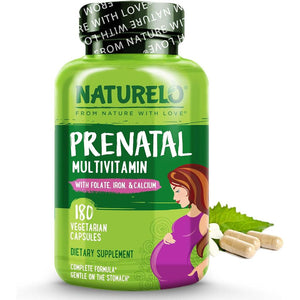
Where iodine appears in our formulas, it is included as a measured, declared amount rather than a raw kelp dose you cannot quantify. Our prenatal provides 290 micrograms of iodine. If you follow a plant-based diet, iodine is one of the nutrients the plant-based guide flags as worth planning for.
FAQ
Questions people ask
What does iodine do?
It helps your body make thyroid hormones and contributes to normal thyroid function and normal cognitive function.
How much iodine do I need?
The UK reference intake is 140 micrograms a day for adults.
Do vegans need an iodine supplement?
Often, yes, or a fortified source. Plant foods and most plant milks are low in iodine unless fortified.
Is kelp a good source of iodine?
It is rich but very variable, so the amount is hard to know. A supplement with a declared, standardised amount is more reliable.
Keep reading
Related guides
Read the guide →Choline: what it is and why it mattersWhat choline does, why the UK sets no target, the food-first sources led by eggs, and why it matters in pregnancy. Calm and UK-based.
Read the guide →
Written by NATURELO Editorial Team
Edited by Milan Shah, Certificate in Plant-Based Nutrition
This guide is general information, not a substitute for advice from your GP, midwife or pharmacist.