Pregnancy
 New mum
 Bariatric
 Active
 Gut health
 Plant-based
 Over 50


Ingredients explained
Choline: what it is and why it matters
The short answer
Choline is a nutrient your body needs but often gets too little thought. It contributes to normal fat metabolism, to normal homocysteine metabolism and to keeping your liver working normally. Your body makes some of its own, but not enough, so the rest has to come from food. Eggs are the standout source. The UK has never set a recommended amount, which is part of why choline gets overlooked, but the evidence is clear that many people fall short of what the wider guidance suggests.
- Choline contributes to normal lipid metabolism, normal homocysteine metabolism and normal liver function.
- Your body makes a little, but most has to come from food.
- Eggs are the richest everyday source. Meat, fish and some beans add more.
- The UK sets no reference intake. European guidance suggests around 400 mg a day for adults.

What does choline do?
Choline is used across a lot of ordinary jobs, and in the terms UK rules allow a supplement to describe, it contributes to normal lipid metabolism, to normal homocysteine metabolism and to the maintenance of normal liver function. It also forms part of the structure of every cell. Your body can produce a small amount on its own, but not enough to cover what it uses, so choline is treated as a nutrient you need from your diet. Most people have never counted it, because nothing on a UK label tells them to.
How much choline do you need, and why is there no UK number?
The UK guidance leaves a gap. The UK has not set a reference intake for choline, so unlike iron or vitamin C there is no official target to aim at. European food-safety advice fills some of that in with an adequate intake of about 400 mg a day for adults, set by EFSA in its Dietary Reference Values for choline (2016). That figure is a general guide, and it is more than many people get, especially anyone eating few eggs or little meat and fish. In practice there is no exact target to hit, and choline is easy to fall short on without noticing.
Food first: where choline comes from
Choline is a food-first nutrient, and one food supplies far more of it than any other.
- Eggs, and the yolk in particular, are the richest common source.
- Meat, poultry and fish add a solid amount.
- Some beans, soya and cruciferous vegetables like broccoli contribute smaller amounts.
If you eat eggs regularly you are probably doing better than most. If you do not, choline is worth knowing about, because plant sources give less of it.
Choline in pregnancy
Choline gets the most attention around pregnancy, and it is one of the nutrients where intake often falls short of the wider guidance. As general information, European advice suggests a higher adequate intake in pregnancy, around 480 mg a day (EFSA, Dietary Reference Values for choline, 2016), largely through diet. We cover the pregnancy picture properly in the pregnancy choline guide, which is the place to read it in context. Choline matters year-round, whether or not you are expecting.
Is your prenatal enough?
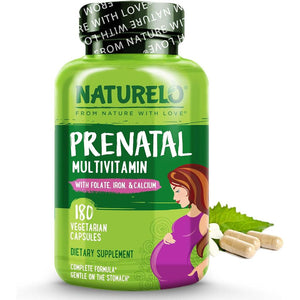
If you are pregnant or planning, choline is worth checking on any prenatal, because many leave it out or include a token amount. Our prenatal includes 100 mg of choline as part of a food-first formula, alongside folate, iron and iodine. A supplement tops up a diet that already includes some choline, so eggs and the other food sources still supply most of it.
FAQ
Questions people ask
What does choline do?
It contributes to normal lipid metabolism, normal homocysteine metabolism and the maintenance of normal liver function, and it forms part of every cell.
How much choline do I need a day?
The UK sets no figure. European guidance suggests about 400 mg a day for adults, more in pregnancy.
Which foods are high in choline?
Eggs are the richest everyday source, followed by meat, poultry and fish, with smaller amounts in beans and some vegetables.
Do I need a choline supplement?
Many people meet their needs from food, eggs especially. A supplement helps if your diet is low in the main sources, and it is one to check on a prenatal.
Keep reading
Related guides
Read the guide →Iodine: how much you need and where to get itWhy iodine matters, the 140 microgram target, the dairy and fish sources, the plant-based risk, and why a measured amount beats variable kelp.
Read the guide →
Written by NATURELO Editorial Team
Edited by Milan Shah, Certificate in Plant-Based Nutrition
This guide is general information, not a substitute for advice from your GP, midwife or pharmacist.