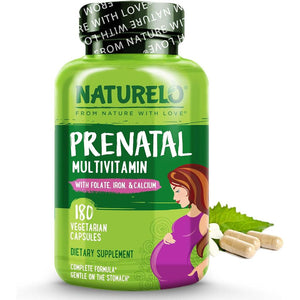
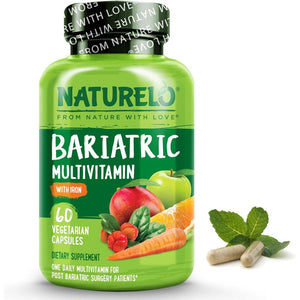
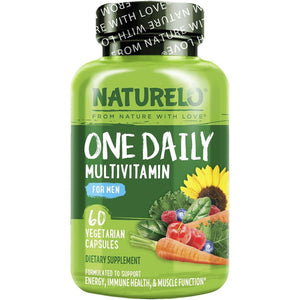
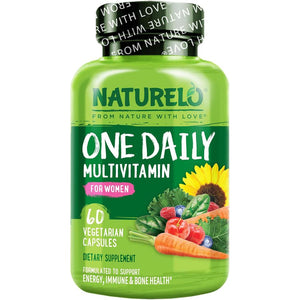
Pregnancy
 New mum
 Bariatric
 Active
 Gut health
 Plant-based
 Over 50


Pregnancy
Iodine in pregnancy: do you need a supplement?
The short answer
Iodine matters in pregnancy because iodine contributes to normal cognitive function, and most people in the UK get it from dairy and white fish. If you avoid both, for example on a plant-based or dairy-free diet, you are more likely to fall short. The care point is with raw kelp or seaweed supplements, where the iodine is not measured and can run high and vary a lot. If you are pregnant, ask your midwife, GP or pharmacist about iodine, particularly if you have a thyroid condition.
- Iodine contributes to normal cognitive function and to normal thyroid function.
- Main UK sources are dairy and white fish.
- Avoiding both puts you at higher risk of falling short.
- The care point is unmeasured raw kelp or seaweed.

Why iodine matters in pregnancy
Iodine contributes to normal thyroid function and to normal cognitive function. In the terms the UK allows, iodine contributes to normal cognitive function and to the normal production of thyroid hormones. Most people here get what they need without thinking about it, from dairy and white fish, which are the main UK sources.
Who is most likely to fall short
The people most likely to be low are those who avoid the main sources: if you do not eat dairy or fish, for example on a vegan or dairy-free diet, iodine is one to plan for. Looking at what you eat in a typical week usually makes it clear. Little or no dairy and no white fish is the pattern to watch.
The care point: raw kelp or seaweed
Seaweed and kelp are naturally rich in iodine, which is why they turn up as iodine sources. A raw kelp or seaweed supplement can carry a high and unpredictable amount, so it is easy to get far more than you intend, and too much iodine is a problem in its own right.
Iodine in a prenatal
Our prenatal provides 290 micrograms of iodine from wild, hand-harvested kelp. If you are pregnant, ask your midwife, GP or pharmacist about iodine, particularly if you have a thyroid condition.
FAQ
Questions people ask
Do I need iodine in pregnancy?
You need enough, and most people get it from dairy and white fish. If you avoid both, ask your midwife, GP or pharmacist about iodine, particularly if you have a thyroid condition.
Is kelp safe in pregnancy?
Raw, unmeasured kelp is the care point, because its iodine is high and variable.
What are the main sources of iodine?
In the UK, dairy and white fish. Plant-based diets need to plan for it.
Keep reading
Related guides
Read the guide →Choline in pregnancy: how much, and from whereCholine is one of the most overlooked nutrients in pregnancy. How much the evidence supports, the food-first sources, and what a prenatal adds.
Read the guide →Folate and folic acid in pregnancy: how much, and which formHow much folic acid to take in pregnancy, when to start and stop, and the honest evidence on folate, folic acid and methylfolate.
Read the guide →
Written by NATURELO Editorial Team
Edited by Milan Shah, Certificate in Plant-Based Nutrition
This guide is general information, not a substitute for advice from your GP, midwife or pharmacist.