Pregnancy
 New mum
 Bariatric
 Active
 Gut health
 Plant-based
 Over 50


Pregnancy
Choline in pregnancy: how much, and from where
The short answer
Choline is a nutrient many people fall short of, and it is widely recognised as important in pregnancy. The UK has not set a formal figure for it, but the evidence points to a daily intake of around 480 milligrams in pregnancy. The best sources are food, eggs above all. A prenatal helps: ours provides 100 mg, which tops up your intake without covering the whole target.
- Choline is important in pregnancy and easy to fall short of.
- The UK sets no formal figure; the evidence supports around 480 mg a day.
- Eggs are the standout food source.
- Our prenatal provides 100 mg, so food still does most of the work.

What choline is, and why it is overlooked
Choline is a nutrient found in foods like eggs, meat and fish. It is widely recognised as important during pregnancy, yet it is easy to fall short of. It gets overlooked partly because the UK, unlike some countries, has not set a reference intake for it, so it rarely gets attention and often shows up in small amounts, if at all, on prenatal labels. That gap is the reason to give it some attention.
How much, and why the UK has no set number
There is no official UK figure for choline. The most widely used reference, from the European food safety body, is an adequate intake of around 480 milligrams a day in pregnancy. Use it as a sensible target, and focus on getting choline regularly from food.
Food-first sources
Food is the reliable way to get choline, and a few sources stand out.
- Eggs, and the yolk in particular, are the standout. A couple of eggs go a long way toward a day's choline.
- Meat and fish contribute a useful amount.
- Some beans and cruciferous vegetables add smaller amounts.
If eggs are part of your week, you are likely doing better on choline than most.
Is your prenatal enough?
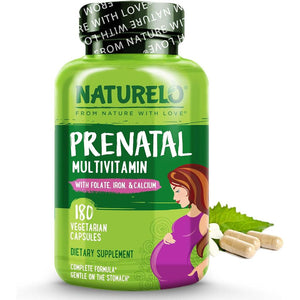
Many prenatals contain little or no choline, because it is bulky and there is no UK requirement to include much. Ours provides 100 mg of choline, from choline bitartrate. That covers a useful part of the day, though not the whole 480 mg target, which no sensible prenatal could, so food still matters. Use the supplement as a top-up and lean on eggs and the other sources for the rest. If choline is a priority for you, talk it through with your midwife.
FAQ
Questions people ask
Why does choline matter in pregnancy?
It is widely recognised as an important nutrient in pregnancy, and many women fall short of it. Getting it regularly from food, especially eggs, is the reliable approach.
How much choline should I have in pregnancy?
The UK sets no figure. The commonly used reference is around 480 mg a day.
What foods are high in choline?
Eggs, especially the yolk, are the best source, with meat and fish also contributing.
Does the NATURELO prenatal contain choline?
Yes, 100 mg from choline bitartrate, as a top-up alongside a choline-rich diet.
Keep reading
Related guides
Read the guide →Iodine in pregnancy: do you need a supplement?Why iodine matters in pregnancy and who is most likely to fall short.
Read the guide →Choline: what it is and why it mattersWhat choline does, why the UK sets no target, the food-first sources led by eggs, and why it matters in pregnancy. Calm and UK-based.
Read the guide →
Written by NATURELO Editorial Team
Edited by Milan Shah, Certificate in Plant-Based Nutrition
This guide is general information, not a substitute for advice from your GP, midwife or pharmacist.