Pregnancy
 New mum
 Bariatric
 Active
 Gut health
 Plant-based
 Over 50


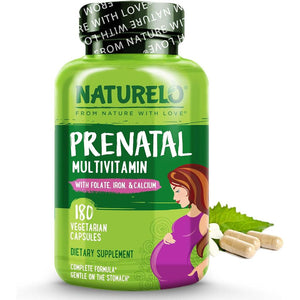
Pregnancy
Folate and folic acid in pregnancy: how much, and which form
The short answer
Take 400 micrograms of folic acid a day from before you conceive until you are 12 weeks pregnant. Of all the supplement steps in early pregnancy, this one has the strongest evidence behind it: at that intake, folic acid raises maternal folate status, and low maternal folate status is a risk factor for neural tube defects such as spina bifida. Folate, folic acid and methylfolate are three forms of the same B vitamin. The strong evidence is on folic acid, so that is the form named in the official recommendation, whichever form your prenatal uses.
- 400 µg folic acid daily, from before conception to 12 weeks.
- Some women need a higher 5 mg dose, on a GP's prescription.
- The recognised benefit is on folic acid.
- Methylfolate is the active form some prefer, but folic acid is the studied one.

Folate, folic acid and methylfolate
These are three names for the same vitamin. Folate is the natural form in foods like leafy greens and pulses. Folic acid is the synthetic form used in supplements and fortified flour, and it is the form used in the research. Methylfolate, or 5-MTHF, is the already-active form your body would otherwise convert folic acid into. For general health, any of them works. In pregnancy the difference matters, because the recommendation is specific about both the form and the amount.
How much, and for how long
The NHS advice is 400 micrograms of folic acid a day, from before you conceive until the end of week 12. The recognised benefit comes at that intake, taken from at least one month before conception through the first trimester: folic acid raises maternal folate status, and low maternal folate status is a risk factor in the development of neural tube defects in the developing foetus. The baby's neural tube forms in the first few weeks, often before a pregnancy is confirmed, so the ideal is to start when you begin trying. If your pregnancy was not planned, start as soon as you find out.
Who needs the higher 5 mg dose
Some women are advised to take a much higher dose, 5 milligrams a day, which is a prescription rather than an off-the-shelf product. This is for higher-risk pregnancies: a previous pregnancy affected by a neural tube defect, diabetes, a high BMI, certain medicines, or conditions like sickle cell. That higher dose is decided by your GP or midwife. If any of that might apply to you, ask them.
Methylfolate: what it is, and how to think about it
You will see prenatals, ours included, that use methylfolate rather than folic acid. Methylfolate is the active form, so there is no conversion step, and some women prefer it, especially if they have heard about the MTHFR gene. Methylfolate is a legitimate source of folate. For neural tube defects, though, the studied form is folic acid: the evidence base was built on it. So the NHS recommendation is a 400 microgram folic acid supplement, whichever form your prenatal uses. Your midwife can confirm your plan.
What our prenatal uses
Our prenatal provides folate as L-5-methylfolate, the active form, at 800 micrograms, alongside iron, iodine and vitamin D. To follow the NHS advice, pair a simple 400 microgram folic acid with the rest of your routine.
Sources
- NHS. Vitamins, supplements and nutrition in pregnancy
- NHS. B vitamins and folic acid
- UKTIS / bumps. Folic acid
- EFSA NDA Panel (2013). Scientific Opinion on the substantiation of a health claim related to increasing maternal folate status by supplemental folate intake and reduced risk of neural tube defects. EFSA Journal
- Department of Health and Social Care. Great Britain nutrition and health claims (NHC) register
FAQ
Questions people ask
How much folic acid should I take in pregnancy?
400 micrograms a day, from before conception until 12 weeks. Some women need a prescribed 5 mg dose.
Is methylfolate better than folic acid in pregnancy?
It is the active form, but the authorised claim linked to neural tube defects is for supplemental folic acid. Neither is "better" without that context.
What if I did not take folic acid before I knew I was pregnant?
Start as soon as you find out, and mention it to your midwife. It is common, and the advice is simply to begin now.
When do I stop taking folic acid?
At the end of week 12, unless your midwife or GP advises otherwise.
Keep reading
Related guides
Read the guide →Iron in pregnancy: do you need it, and which formWhen iron is actually needed in pregnancy, the gentler bisglycinate form, and how to take it so it absorbs.
Read the guide →Trying to conceive: what to take before pregnancyThe NHS-backed basics to start before you conceive, folic acid and vitamin D first, without the fertility hype.
Read the guide →
Written by NATURELO Editorial Team
Edited by Milan Shah, Certificate in Plant-Based Nutrition
This guide is general information, not a substitute for advice from your GP, midwife or pharmacist.