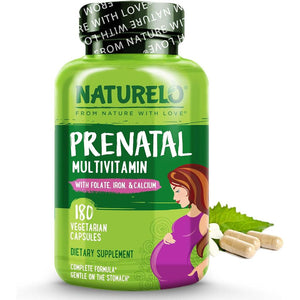
Pregnancy
 New mum
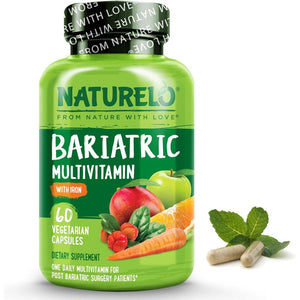
 Bariatric
 Active
 Gut health
 Plant-based
 Over 50


Active
Magnesium for active people
The short answer
Magnesium does several ordinary jobs that training draws on: it contributes to normal muscle function, to normal energy-yielding metabolism, to a reduction of tiredness and fatigue, and to electrolyte balance. That is a fair reason for active people to make sure they are getting enough, mostly from food. It is not a reason to expect it to fix cramp or transform your sessions, because the evidence for those does not hold up.
- Magnesium contributes to normal muscle function and energy-yielding metabolism.
- It contributes to a reduction of tiredness and fatigue and to electrolyte balance.
- The UK reference intake is about 300 mg for men and 270 mg for women.
- The evidence that magnesium prevents cramp is weak.

What magnesium does that matters if you train
Magnesium is a mineral involved in a long list of everyday processes, and a few of them are ones training leans on. In the terms the UK allows, magnesium contributes to normal muscle function, to normal energy-yielding metabolism, to a reduction of tiredness and fatigue, to electrolyte balance, and to normal protein synthesis. Those are real, authorised roles, and they are enough on their own to make magnesium worth getting sufficient of if you are active. Sleep, stress and cramp relief are not on that list.
Do you need more if you are active?
Training raises your overall energy and nutrient turnover, so it is sensible for active people to make sure magnesium intake is adequate, but the first place to look is food. Nuts, seeds, wholegrains and leafy greens are all good sources, and if you eat enough of them you will get a solid share of the 300 mg a day the UK sets for men and 270 mg for women. Most people fall a bit short of the greens and wholegrains many weeks, and a supplement can top up that shortfall.
The cramp question
This claim is everywhere. The evidence tells a different story. Despite how often magnesium is sold for muscle cramp, the trials that have looked at it do not show a reliable effect for most people, and reviews of the evidence come to much the same conclusion. So magnesium should not be sold as a cure for cramp. If you cramp a lot, hydration, conditioning and how you fuel and pace your sessions are more likely to be the levers, and persistent cramp is worth raising with a GP. Get enough magnesium for its authorised roles; the cramp claim is not one to bank on.
Which form, and how much
The form of magnesium changes how well you absorb it and how kind it is on your stomach, more than what it does, and our guide to magnesium forms explains the differences. For most people a well-tolerated form like bisglycinate is the sensible pick. Our magnesium is a buffered complex that combines magnesium bisglycinate and oxide, delivering 200 mg of elemental magnesium, 53% of the daily reference intake, in a single manageable capsule. The blend is chosen for tolerance and a meaningful dose.
FAQ
Questions people ask
Does magnesium help if I exercise?
It contributes to normal muscle function, energy-yielding metabolism, a reduction of tiredness and fatigue, and electrolyte balance, which are all relevant to active people. Getting enough, mostly from food, is the sensible aim.
Does magnesium stop muscle cramp?
The evidence that it prevents cramp is weak, so we do not claim it. Hydration, conditioning and pacing are more likely to help, and persistent cramp is worth a GP visit.
How much magnesium do I need?
The UK reference intake is about 300 mg a day for men and 270 mg for women, from food and supplements combined.
Which magnesium is best for active people?
A well-tolerated form like bisglycinate for most people. Our guide to magnesium forms compares the options.
Keep reading
Related guides
Read the guide →Recovery basics: what the evidence supportsWhat genuinely helps you recover after training, ranked honestly, where supplements fit, and the antioxidant caveat most pages skip.
Read the guide →
Written by NATURELO Editorial Team
Edited by Milan Shah, Certificate in Plant-Based Nutrition
This guide is general information, not a substitute for advice from your GP, midwife or pharmacist.