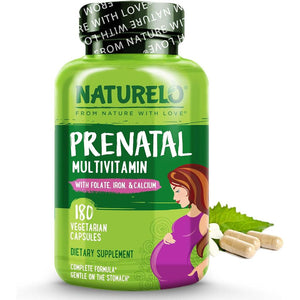
Pregnancy
 New mum
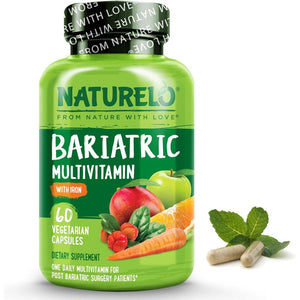
 Bariatric
 Active
 Gut health
 Plant-based
 Over 50


Active
Supplements for active adults: the sensible UK guide
The short answer
For most recreationally active adults, the biggest factors are not supplements: eating enough, getting enough protein, staying hydrated and sleeping well. On top of that, two are worth checking in the UK: vitamin D through autumn and winter, and iron if you are a woman who trains, which calls for a blood test. A few nutrients have everyday roles that training draws on, and this guide keeps to those roles.
- Food first. Eating enough to fuel training beats any supplement.
- Vitamin D in autumn and winter applies to active people too.
- Women who train are more likely to run low on iron, so confirm it with a test.
- Skip the performance hype and cover the basics.

Start here
The guides in this section
Do active adults need supplements?
For most active adults, the priority is eating enough before adding any supplement. Training raises your energy needs and, with it, your need for most nutrients, and the first and best way to meet that is by eating enough of a varied diet. Supplements have a supporting role, filling a specific gap. If a product promises to transform your training in a capsule, treat that as marketing. The unglamorous fundamentals, enough fuel, protein, water and sleep, make the biggest difference.
Get the food right first
Before any supplement, the biggest changes come from your plate. Eat enough to cover the extra energy you are burning. Get protein across the day to support the tissue your training breaks down and rebuilds. Include iron-rich foods if you train hard, especially if you are a woman or eat little red meat. Drink to thirst around sessions, and more in heat. It is unexciting, but it does more for you than most supplements on the shelf.
The nutrients worth a look, and their real jobs
A few nutrients are worth understanding because training leans on the ordinary work they do. Each is described here only by its authorised role.
- Magnesium contributes to normal muscle function, to normal energy-yielding metabolism, to a reduction of tiredness and fatigue, and to electrolyte balance. Our guide to magnesium for active people covers it in full.
- Iron contributes to normal oxygen transport and to a reduction of tiredness and fatigue. Women who train are the group most likely to run low, so test first, and see our iron guidance.
- Vitamin C contributes to normal energy-yielding metabolism and to the protection of cells from oxidative stress.
- Vitamin D contributes to normal muscle function, and most people in the UK are advised to consider it in winter regardless of training.
What we would not bother chasing
It helps to say what to skip too. The pre-workout, testosterone and mass-gainer end of the market makes big promises that neither the evidence nor the rules support. For a recreationally active adult, buying those before sorting food, sleep and the two basics above is money poorly spent. With the fundamentals in place, most of the rest is optional.
A simple routine around training
If you want a straightforward setup, our active routine keeps it to the sensible basics, and our recovery and everyday-essentials guides fill in the practical detail. Start with food and sleep, add vitamin D for winter, check your iron if you are a woman who trains, and build from there only if you have a reason.
FAQ
Questions people ask
Do active people need supplements?
Mostly they need more food. Beyond that, vitamin D in winter and, for women who train, checking iron are the two worth attention in the UK.
What supplements should I take if I exercise?
Get food, protein, hydration and sleep right first. Then vitamin D in winter, and iron only if a test shows you are low.
Do I need a pre-workout or testosterone booster?
We would not build a routine around those. The fundamentals do far more, and the big performance claims are not ones the evidence supports.
Does training increase my vitamin needs?
It raises your energy and nutrient needs overall, which is best met by eating enough of a varied diet.
Keep reading
Related guides
Read the guide →Vitamin D3: how much to take, and is 5000 IU too much?The NHS baseline, D3 versus D2, vegan D3 from lichen, and an honest look at the safe upper level and the 5000 IU question.
Read the guide →
Written by NATURELO Editorial Team
Edited by Milan Shah, Certificate in Plant-Based Nutrition
This guide is general information, not a substitute for advice from your GP, midwife or pharmacist.