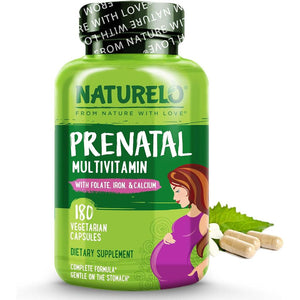
Pregnancy
 New mum
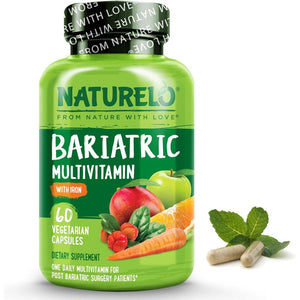
 Bariatric
 Active
 Gut health
 Plant-based
 Over 50


Active
Recovery basics: what the evidence supports
The short answer
Recovery is driven by things other than supplements. In rough order of how much they matter: sleep, eating enough, getting protein across the day, staying hydrated, and managing how hard and how often you train. Refuelling with carbohydrate and protein after a hard session helps. Recovery supplements sit a long way down that list, and some of the most-marketed ones are oversold, so this guide ranks the real levers first.
- Sleep and enough food are the biggest recovery levers, by a distance.
- Protein across the day and hydration support the rebuild.
- Managing training load matters as much as anything you consume.
- Most recovery supplements are oversold; none reliably speeds recovery.

What drives recovery
The strongest evidence for recovery sits with everyday habits. Sleep is the single biggest lever, because most of the repair happens while you are asleep. Eating enough comes next, since you cannot rebuild on a deficit you did not mean to be in. Protein spread across the day gives your body the material to repair the tissue training breaks down. Hydration and sensible training load, not doing too much too often, round it out. Get those five right and you have covered most of what recovery needs.
Refuelling after a session
After a hard or long session, refuelling helps you go again. A mix of carbohydrate to restock energy and protein to support repair is the practical aim, and for most people a normal meal within a reasonable window does it. The old idea of a narrow post-workout window has been softened by later evidence, so do not stress the timing to the minute. Eat a proper meal, and if that is not convenient straight away, a snack with some protein and carbohydrate bridges the gap.
Where supplements fit, and the antioxidant caveat
Supplements are a top-up to a sound diet. A couple of nutrients have authorised roles, vitamin C contributes to the protection of cells from oxidative stress, and magnesium contributes to normal muscle function, and getting enough of both from a reasonable diet is sensible. There is one caveat most recovery pages skip. The evidence that high-dose antioxidant supplements improve recovery is mixed, and some research suggests that large doses taken around training may blunt the adaptations you train for (Paulsen et al., 2014, The Journal of Physiology). So higher doses are not better, and recovery should not be built around megadosing. Cover your bases at sensible amounts, and rely on food and sleep for the rest.
A sensible base
A sensible recovery base is short and unglamorous: sleep well, eat enough, get your protein, hydrate, and do not pile on more training than you can absorb. On top of that, a sensible daily nutrient base at ordinary amounts is fine, and our active routine keeps it to that rather than a stack of recovery tubs. See our magnesium and whole-food vitamin C guides for the detail on those two.
FAQ
Questions people ask
What helps muscle recovery the most?
Sleep, eating enough, protein across the day, hydration, and managing your training load. Those matter far more than any supplement.
Do recovery supplements work?
Most are oversold. A sensible diet covering the basics does more, and the evidence for high-dose antioxidant supplements aiding recovery is mixed.
What should I eat after a workout?
A normal meal with carbohydrate and protein. The exact timing matters less than older advice suggested, so do not stress the minutes.
Can antioxidant supplements help recovery?
The evidence is mixed, and large doses around training may blunt some of the adaptations you are training for, so higher doses are not the answer.
Keep reading
Related guides
Read the guide →Everyday essentials around trainingThe food-first daily basics that support training, in order, and the two supplements worth checking for active adults in the UK.
Read the guide →
Written by NATURELO Editorial Team
Edited by Milan Shah, Certificate in Plant-Based Nutrition
This guide is general information, not a substitute for advice from your GP, midwife or pharmacist.