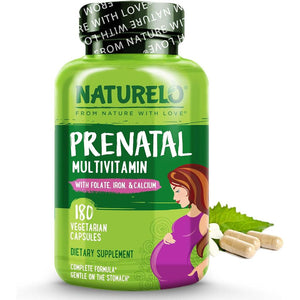
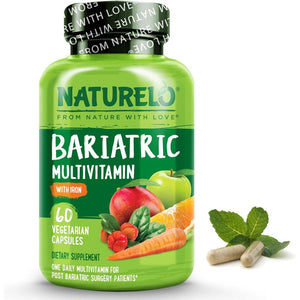
Pregnancy
 New mum
 Bariatric
 Active
 Gut health
 Plant-based
 Over 50


Ingredients explained
Methylfolate vs folic acid: what is the difference?
The short answer
Folate is the umbrella name for the B vitamin. Folic acid is the stable, synthetic form used in supplements and fortified food. Methylfolate is the active, ready-to-use form your body converts folic acid into. For most people either form works well. The one place the distinction matters is pregnancy, and there the strong evidence on neural tube defects is for folic acid, which is why it remains the official recommendation.
- Folate (food), folic acid (synthetic, well studied), methylfolate (the active form).
- Most people convert folic acid perfectly well.
- The pregnancy evidence base is on folic acid specifically.
- MTHFR gene variants are common and rarely a reason to worry on their own.

The three folates
It helps to keep the names straight, because they get used loosely. Folate is the natural form found in foods like leafy greens, pulses and liver. Folic acid is a synthetic, very stable form used in supplements and in fortified flour and cereals, and it is the form used in almost all the research. Methylfolate, sometimes written 5-MTHF, is the form your body actually uses once it has done a little conversion work. They are three versions of the same vitamin.
How your body converts them
Your body turns folic acid into the active form through a few enzyme steps. For most people this happens without any trouble. You will read a lot online about the MTHFR gene, which codes for one of those enzymes. Some variants of it are genuinely common, and they can make the conversion a bit less efficient. What the evidence does not support is the leap from "less efficient" to "you cannot use folic acid", which is where a lot of marketing goes. Most people with a common MTHFR variant still convert folic acid perfectly well.
What an MTHFR variant means
If a test has told you that you carry an MTHFR variant, it is easy to be alarmed by what you find online. A variant is common and it is not a diagnosis. On its own it is rarely a reason to change what you take. Some people prefer to take methylfolate, the already-active form, so their body has less conversion to do. That is a reasonable preference. It is not the same as evidence that methylfolate is medically better for everyone, which does not exist.
Which should you choose?
For general use, either form is fine, and folic acid has the longer track record. Some people simply prefer the active form, and our prenatal and our B complex both use methylfolate, as L-5-methylfolate, for that reason. If you are pregnant or trying to conceive, read this next to our pregnancy guide, because there the recommendation is specific and the amount matters as much as the form.
FAQ
Questions people ask
Is methylfolate better than folic acid?
For most people, neither is clearly better. Methylfolate is the active form, so there is less conversion to do, but folic acid is well absorbed and far better studied.
What is the difference between folate and folic acid?
Folate is the natural form in food. Folic acid is the synthetic form in supplements and fortified food.
Do I need methylfolate if I have MTHFR?
Usually not for that reason alone. Common MTHFR variants still allow good conversion. Some people prefer methylfolate anyway.
Which folate is best in pregnancy?
Follow the NHS advice on folic acid and the amount, which we cover in the pregnancy folate guide.
Keep reading
Related guides
Read the guide →Pregnancy vitamins: what to take and when (a UK guide)The two supplements the NHS asks everyone to take in pregnancy, what a prenatal adds, and what to avoid. Clear, UK-based and midwife-aware.
Read the guide →
Written by NATURELO Editorial Team
Edited by Milan Shah, Certificate in Plant-Based Nutrition
This guide is general information, not a substitute for advice from your GP, midwife or pharmacist.