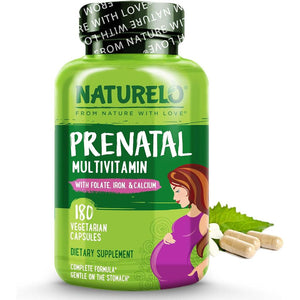
Pregnancy
 New mum
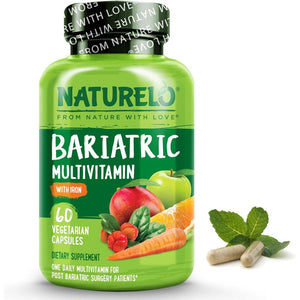
 Bariatric
 Active
 Gut health
 Plant-based
 Over 50


Plant-based
Vegan B12: why it is the one you must not skip
The short answer
Vitamin B12 is the one nutrient a plant-based diet cannot reliably provide, so if you are vegan you need it from a supplement or from foods fortified with it. It is essential for anyone eating this way. B12 is made by bacteria and reaches most diets through animal foods, and plants do not carry a dependable amount. It is also one of the easiest gaps to close: a daily or twice-weekly supplement sorts it out.
- A plant-based diet has no reliable natural B12, so a supplement or fortified foods are essential.
- B12 contributes to normal energy-yielding metabolism, the nervous system and psychological function.
- Methylcobalamin is the active form. Cyanocobalamin is the older, well-studied one. Both work.
- Spirulina is not a reliable source of active B12, whatever the marketing suggests.

Why B12 is the non-negotiable
Most of the vegan nutrient list is about doing a bit better on things plants do provide. B12 is different, because plants essentially do not provide it. It is made by microbes, and in a typical diet it comes to us through meat, fish, eggs and dairy. Take those off the plate and the reliable dietary source goes with them. That is why the NHS and the Vegan Society both advise a daily supplement or fortified foods; no amount of ordinary plant food fills the gap reliably. In the terms UK law allows, B12 contributes to normal energy-yielding metabolism, to the normal working of the nervous system and to normal psychological function. Make it a daily habit from the start.
How much, and why the bottle says so much more
The UK reference intake for B12 is small, about 1.5 micrograms a day. Supplements often carry hundreds or a thousand micrograms because of how the body takes B12 up. Your gut can only absorb a limited amount of B12 from any single dose, so a larger amount on the label leaves room for the fraction that actually gets through. That is the reasoning behind a 1000 microgram tablet: it allows for the way absorption tails off at higher single doses. B12 is water-soluble, so a surplus is passed out rather than stored to any worrying degree.
Methylcobalamin versus cyanocobalamin
You will see two main forms. Cyanocobalamin is the older, extremely stable, heavily studied form, and it is what most of the classic research used. Methylcobalamin is an active, ready-to-use form of B12, which some people prefer. Both raise B12 levels effectively, and the choice comes down to preference. Ours uses methylcobalamin, the active form, for people who would rather take it that way.
Is spirulina a source of B12?
A lot of well-meaning advice gets this wrong. Spirulina and some other algae contain a compound that looks like B12 on certain tests but does not work like it in the body, sometimes called pseudo-B12. Relying on spirulina, or on unwashed produce, or on the general idea that a clean diet will provide it, is how people end up short without realising. We include a little spirulina in our B12 as a whole-food green, but the B12 doing the work is the methylcobalamin, and we label it as such, because you should never have to guess whether your B12 is the real thing.
What ours uses
Our vegan B12 provides 1000 micrograms of methylcobalamin, the active form, alongside a small amount of spirulina. It is the simplest single item on the plant-based list to get right, and the one with the least reason to skip. Of the whole plant-based list, this is the one to never miss: take B12 every day.
FAQ
Questions people ask
Do vegans really need a B12 supplement?
Yes. A plant-based diet has no reliable natural B12, so a supplement or fortified foods every day are essential, not optional.
How much B12 should a vegan take?
The reference intake is about 1.5 micrograms a day, but supplements carry much more because the body absorbs only a fraction of a single dose. A common daily amount is 1000 micrograms.
Is methylcobalamin better than cyanocobalamin?
Both work well. Methylcobalamin is the active form, which some prefer. Cyanocobalamin is the older, very well studied one.
Can I get B12 from spirulina?
No. Spirulina contains a B12-like compound that the body cannot use as true B12. Use a proper B12 supplement or fortified foods.
Keep reading
Related guides
Read the guide →Vegan multivitamin: what a good one coversWhat a vegan multivitamin should cover, B12, vitamin D, iodine and more, the one gap it cannot fill, and how to read the label.
Read the guide →
Written by NATURELO Editorial Team
Edited by Milan Shah, Certificate in Plant-Based Nutrition
This guide is general information, not a substitute for advice from your GP, midwife or pharmacist.