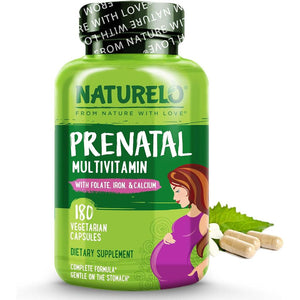
Pregnancy
 New mum
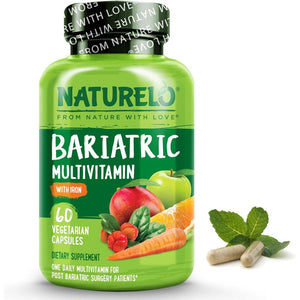
 Bariatric
 Active
 Gut health
 Plant-based
 Over 50


Plant-based
Vegan multivitamin: what a good one covers
The short answer
A good vegan multivitamin is built around the specific nutrients a plant-based diet needs a plan for. The ones to look for on the label are B12, vitamin D, iodine, and iron where it is relevant, along with zinc and selenium. One limit is worth knowing up front: a single daily capsule cannot hold a meaningful dose of omega-3 DHA, so that is still worth taking separately as an algal oil. A multivitamin is useful cover on top of a good diet.
- A good vegan multi should cover B12, vitamin D, iodine, iron where needed, zinc and selenium.
- It will not carry a useful dose of omega-3 DHA, so keep that as a separate algal supplement.
- A multivitamin is insurance against gaps, not a substitute for a varied diet.
- Judge the label by whether it covers the nutrients that matter on a plant-based diet.

Do vegans need a multivitamin?
Not strictly, even on a page that sells them. If you already take B12 daily, an algal omega-3, vitamin D in winter and iodine, you have covered the plant-based short list with individual supplements, and a multivitamin would overlap. Where a multivitamin helps is convenience and insurance: one capsule that covers several of the gaps at once, so a busy week does not leave you skipping the ones that matter. For a lot of people that is what keeps the routine going past February.
What a good vegan multivitamin covers
This checklist is one you can take to any label. A vegan multivitamin worth buying should carry:
- B12, the non-negotiable, since a plant-based diet has no reliable source.
- Vitamin D, ideally D3 from lichen so it is both the more reliable form and vegan.
- Iodine, which is easy to overlook, because the usual UK sources are dairy and fish.
- Iron, which matters mainly for menstruating women, and is optional otherwise.
- Zinc and selenium, two minerals a plant-based diet can run a little short on.
A multivitamin that covers those is doing the job a vegan needs. A long ingredient list that is thin on B12 and iodine is not.
The one thing a multivitamin cannot do
Most "best vegan multivitamin" pages leave out one caveat. Omega-3 DHA takes up real space, and a small once-a-day capsule simply cannot hold a meaningful amount of it alongside everything else. So even a good vegan multivitamin will not cover your omega-3, and you should take that separately as an algal oil, which we explain on the vegan omega-3 page. Treating the multivitamin as the whole answer is the common mistake. It covers most of the plant-based list but leaves out omega-3.
How to read a vegan multivitamin label
A few habits make the choice easy:
- Check it actually says vegan or plant-based, and that the vitamin D is D3 from lichen or D2, not the wool-derived default.
- Look for B12 and iodine specifically. Their presence, and a sensible amount, tells you the formula was built for a plant-based diet rather than relabelled.
- Do not be swayed by the sheer number of ingredients. A focused formula that covers the gaps that matter does more than a long list spreading tiny amounts across forty nutrients.
Our vegan-friendly multivitamins
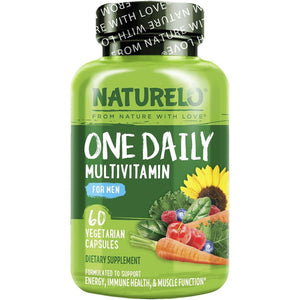
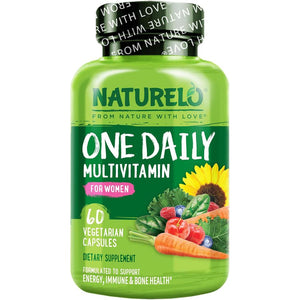
Our one-daily Women's and Men's multivitamins sit in the vegan-friendly range, built around whole-food ingredients and fruit and vegetable extracts, with the plant-based gaps in mind. The Women's version carries iron, which is the more common need for menstruating women, and the Men's leaves it out, which is the sensible default when iron is not indicated. In the terms UK law allows, vitamins C and D, zinc and folate contribute to the normal function of the immune system. Pair either with a daily B12 and an algal omega-3, and you have a plant-based routine that covers the gaps that matter with just a few products.
FAQ
Questions people ask
Do vegans need a multivitamin?
Not if you already cover B12, vitamin D, iodine and omega-3 separately. A multivitamin is convenient insurance that covers several gaps in one capsule.
What should a vegan multivitamin contain?
B12, vitamin D, iodine, zinc and selenium, and iron where it is relevant. Those are the plant-based priorities.
Does a vegan multivitamin replace omega-3?
No. A daily capsule cannot hold a useful DHA dose, so take an algal omega-3 separately.
Is a multivitamin enough for a vegan?
It covers most of the short list, but not omega-3, and it never replaces a varied diet. Think of it as cover on top of eating well.
Keep reading
Related guides
Read the guide →Vitamin D for vegans: the form problem and how much to takeMost vitamin D3 comes from sheep's wool. The vegan route is lichen D3, plus the NHS seasonal dose and how high is sensible.
Read the guide →
Written by NATURELO Editorial Team
Edited by Milan Shah, Certificate in Plant-Based Nutrition
This guide is general information, not a substitute for advice from your GP, midwife or pharmacist.