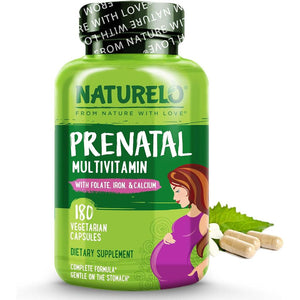
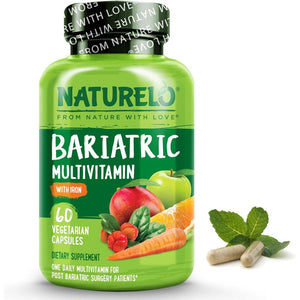
Pregnancy
 New mum
 Bariatric
 Active
 Gut health
 Plant-based
 Over 50


Plant-based
Iron on a plant-based diet: absorption, sources and supplements
The short answer
Plant foods do contain iron, so eating plant-based is a reason to pay attention to it rather than proof you are short. The iron in plants is taken up less readily, so pair iron-rich meals with vitamin C and keep tea and coffee to a different time. A supplement is not automatic; if you are unsure, ask your GP or pharmacist.
- Plant foods contain iron; eating plant-based is a reason to pay attention, not proof you need a supplement.
- Plant iron is non-haem and taken up less readily than iron from meat.
- Vitamin C increases iron absorption; tea and coffee at mealtimes reduce it.
- If you do need one, a gentle vegan form such as ferrous bisglycinate is easiest to keep taking; if unsure, ask your GP or pharmacist.

Do you get enough iron on plants?
Plenty of people eat well on a plant-based diet and get the iron they need, so eating this way is a reason to pay attention to iron, not proof that you are short of it. Plant foods do contain iron. The thing to understand is how your body takes it up, and a couple of easy habits that help.
Where plant iron comes from
The iron in plants is non-haem iron, the form found outside meat and fish. You will find it in lentils, beans and chickpeas, tofu and tempeh, dark leafy greens such as spinach and kale, wholegrains, nuts and seeds, and dried fruit like apricots. Across a varied day these add up more than people expect.
How to absorb more of it
Non-haem iron is taken up less readily than the iron in meat, which is where two habits earn their place. Vitamin C increases iron absorption, so pairing iron-rich meals with a source of vitamin C, a squeeze of lemon, some peppers, a piece of fruit, makes a real difference. Tea and coffee at the same time as a meal pull the other way, so keep them to a different time of day where you can.
Do you actually need a supplement?
Not automatically. With the habits above, many people are fine without one, so iron is worth adding when there is a reason rather than just in case. If you are unsure whether you need extra iron, ask your GP or pharmacist. When you have decided to go ahead, our guide to how to choose an iron supplement covers form, dose and what else you already take.
The gentle form, if you need it
If you do decide on a supplement, a gentle form is the one to look for, since the iron that helps is the one you keep taking. Ferrous bisglycinate is iron bound to glycine, often chosen because it is gentle on the stomach, and it is vegan. For the detail, see the dedicated iron bisglycinate page.
FAQ
Questions people ask
Do vegans need an iron supplement?
Not automatically. Plant foods contain iron, and with a few habits many people get what they need without one. A supplement is worth it when there is a reason, such as heavy periods or professional advice. If you are unsure, ask your GP or pharmacist.
Why is plant iron absorbed less well?
The iron in plants is non-haem iron, which the body takes up less readily than the haem iron in meat and fish. It still counts, especially across a varied day, and a couple of habits at mealtimes make more of it available.
Which plant foods are highest in iron?
Lentils, beans and chickpeas, tofu and tempeh, dark leafy greens such as spinach and kale, wholegrains, nuts and seeds, and dried fruit like apricots are all good sources. Spreading them across the day adds up.
Does vitamin C really help iron absorption?
Yes. Vitamin C increases iron absorption, so pairing iron-rich meals with a source of vitamin C, a squeeze of lemon or some fruit, makes a real difference to how much non-haem iron your body takes up.
Keep reading
Related guides
Read the guide →Vegan multivitamin: what a good one coversWhat a vegan multivitamin should cover, B12, vitamin D, iodine and more, the one gap it cannot fill, and how to read the label.
Read the guide →
Written by NATURELO Editorial Team
Edited by Milan Shah, Certificate in Plant-Based Nutrition
This guide is general information, not a substitute for advice from your GP, midwife or pharmacist.