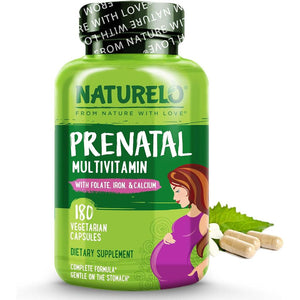
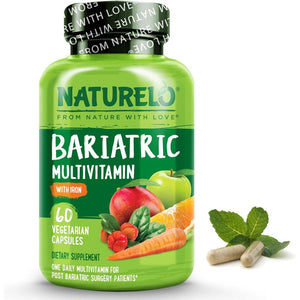
Pregnancy
 New mum
 Bariatric
 Active
 Gut health
 Plant-based
 Over 50


New mums
Vitamin D while breastfeeding: how much for you, and your baby
The short answer
Keep taking 10 micrograms of vitamin D a day for as long as you breastfeed. That is the NHS recommendation, and it is the same amount you took in pregnancy. Your breastfed baby also needs their own vitamin D, 8.5 to 10 micrograms a day, usually as drops, from birth. Formula-fed babies having 500 ml or more a day do not, because formula already has it added.
- You: 10 µg vitamin D daily, throughout breastfeeding.
- Your breastfed baby: 8.5 to 10 µg daily, as drops, from birth.
- Formula-fed baby on 500 ml+ a day: no extra needed.
- Healthy Start vitamins are free for eligible families and include vitamin D.

How much do you need while breastfeeding
Ten micrograms a day, every day, for as long as you are breastfeeding. Vitamin D supports the normal function of the immune system and helps maintain normal bones, teeth and muscle function, and in the UK the reason it is a standing recommendation is simple: for much of the year there is not enough sunlight on your skin to make what you need. A daily supplement is the simple way to cover it.
What your breastfed baby needs
Breast milk is naturally low in vitamin D, so a breastfed baby needs their own supply. The NHS advises 8.5 to 10 micrograms a day, given as drops, from birth to one year, whether or not you are taking your own. This is a separate supplement from yours, not something that passes across in enough amount through milk. Your health visitor can recommend suitable infant drops.
Formula-fed babies
If your baby is having 500 millilitres or more of infant formula a day, they do not need extra vitamin D, because formula is already fortified with it. Once formula drops below that amount, the drops come back into the picture. If you are combination feeding, your health visitor can help you judge it.
Free Healthy Start vitamins
If you qualify for the Healthy Start scheme, the vitamins are free and cover this ground. The women's vitamins include vitamin D, and there are children's vitamin drops with vitamins A, C and D. It is worth checking your eligibility, because it covers the cost for both of you.
Can you take too much
Vitamin D is one of the few you can overdo, so it is worth knowing the ceiling. For adults, the safe upper level for everyday use is 100 micrograms a day. The 10 micrograms the NHS recommends sits comfortably below that. If you are considering a much higher-dose product, speak to your GP first.
Keeping it simple
If you want your daily vitamin D as part of one new-mum capsule rather than a separate tablet, our postnatal includes it alongside the other nutrients of this stage. If you would rather take vitamin D on its own, a straightforward D3 does the job. Either way, your baby's drops are separate.
FAQ
Questions people ask
Do I need to take vitamin D while breastfeeding?
Yes. The NHS recommends 10 µg a day for as long as you breastfeed.
How much vitamin D does a breastfed baby need?
8.5 to 10 µg a day, as drops, from birth to one year.
Does my formula-fed baby need vitamin D drops?
Not while they are having 500 ml or more of formula a day, because formula is fortified.
Can I get vitamin D free?
If you are eligible for Healthy Start, the vitamins are free and include vitamin D for you and drops for your child.
Keep reading
Related guides
Read the guide →Postnatal recovery and energy: an honest guideTiredness with a newborn is normal. What nutrition can and cannot do for postnatal energy, and when to speak to your health visitor.
Read the guide →
Written by NATURELO Editorial Team
Edited by Milan Shah, Certificate in Plant-Based Nutrition
This guide is general information, not a substitute for advice from your GP, midwife or pharmacist.