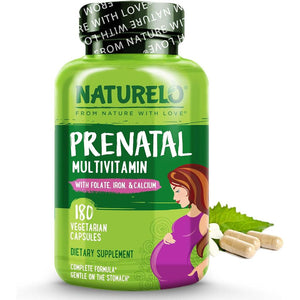
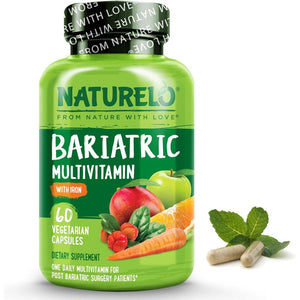
Pregnancy
 New mum
 Bariatric
 Active
 Gut health
 Plant-based
 Over 50


New mums
Postnatal vitamins: what to take after birth and while breastfeeding (UK)
The short answer
After birth there is one supplement the NHS asks everyone who is breastfeeding to keep taking: vitamin D, 10 micrograms a day. If you are breastfeeding, your baby also needs their own vitamin D drops. Beyond that, most of what you need comes from eating well. A postnatal multivitamin is a convenient way to cover a few nutrients that matter when you are running on little sleep, though you are not required to take one. Iron is only needed if a blood test shows you are low. Check anything you are unsure about with your midwife or health visitor.
- Keep taking 10 µg vitamin D daily for as long as you breastfeed.
- Your breastfed baby needs their own 8.5 to 10 µg vitamin D daily.
- A postnatal is optional. The one supplement the NHS asks for is vitamin D.
- Iron only if a blood test shows you are low.
- Healthy Start vitamins are free for some families.

Start here
The guides in this section
The one you should keep taking (NHS)
This is the part that is not optional guidance. The NHS asks everyone who is breastfeeding to take 10 micrograms of vitamin D a day, right through, in the same way you were asked to in pregnancy. In the UK there is not enough sunlight for much of the year to rely on your skin, and a daily supplement is the simple way to cover it. If you take nothing else, take this.
What about your baby's vitamin D
A lot of new parents do not realise this. Breastfed babies, from birth to one year, should be given their own daily vitamin D supplement of 8.5 to 10 micrograms, usually as drops. That is separate from yours, and it is because breast milk is low in vitamin D. Formula-fed babies having 500 ml or more of formula a day do not need extra, because infant formula already has vitamin D added. Your health visitor can point you to the right drops, and Healthy Start vitamins cover this for eligible families.
Can you keep taking your prenatal, or switch to a postnatal
Either can be fine, and it depends on what your prenatal contains. The main thing the NHS wants covered after birth is vitamin D, which most prenatals and postnatals both provide. A postnatal is simply formulated for the after-birth stage rather than pregnancy, so it drops the pregnancy-specific emphasis and leans towards the nutrients a new parent tends to want. Our postnatal uses folate as methylfolate, an active form of folate, alongside iron, B vitamins and a few others, with vitamin D included. If your midwife or health visitor has given you specific advice, follow that first.
What a postnatal adds, and whether you need one
Whether you need a postnatal comes down to your diet and how you are eating. You do not have to take a postnatal multivitamin. If you eat a reasonably varied diet and take your vitamin D, you have covered the NHS recommendation. What a good postnatal adds is convenience and a few nutrients that help when you are tired and short on time. In ours, iron and folate contribute to the reduction of tiredness and fatigue, vitamin B12 and biotin contribute to normal psychological function, vitamin B6 contributes to the regulation of hormonal activity, and chromium contributes to normal macronutrient metabolism and to the maintenance of normal blood glucose levels. Each is a normal function the nutrient helps support. What a capsule will not do is replace sleep or a decent meal, so treat any brand that implies otherwise with caution.
Iron after birth
Needs can be higher after birth, especially if you lost a lot of blood during delivery, but iron is not recommended for everyone as a matter of course. It is for people found to be low on a blood test. If you are exhausted beyond the ordinary newborn tiredness, that is worth raising with your GP or midwife rather than reaching straight for iron, because too much iron is not harmless. We cover the gentler form and how to take it in the iron after birth guide.
If you are breastfeeding on a plant-based diet
A varied plant-based diet covers most of what you need, with two to keep an eye on. Vitamin B12 needs a supplement or fortified foods on a vegan diet, which the NHS is clear about. And the omega-3 DHA, which you would normally get from oily fish, has a plant-based route through algal oil. Maternal intake of DHA contributes to the normal brain and eye development of breastfed infants, at a daily intake of 200 mg of DHA on top of the usual 250 mg of omega-3. We cover both in the breastfeeding diet guide.
Your new-mum routine
If you would like the vitamin D the NHS asks for plus the tiredness and everyday-function support in one place, our new-mum routine is built around the postnatal, and it only includes what applies to you. It is there for convenience, and it is optional.
FAQ
Questions people ask
What vitamins should I take after giving birth?
If you are breastfeeding, keep taking 10 µg vitamin D daily. Beyond that a varied diet covers most needs, and a postnatal multivitamin is a convenient extra rather than a requirement.
Do I need to take vitamin D while breastfeeding?
Yes, the NHS recommends 10 µg a day throughout breastfeeding, and your breastfed baby needs their own 8.5 to 10 µg daily too.
Can I keep taking my prenatal after birth?
Often yes, as long as it covers vitamin D. A postnatal is simply tailored to the after-birth stage. Check with your health visitor if unsure.
Do I need a postnatal multivitamin, or just vitamin D?
Vitamin D is the NHS ask. A postnatal is a convenient way to add other useful nutrients, not something you must take.
Keep reading
Related guides
Read the guide →Pregnancy vitamins: what to take and when (a UK guide)The two supplements the NHS asks everyone to take in pregnancy, what a prenatal adds, and what to avoid. Clear, UK-based and midwife-aware.
Read the guide →
Written by NATURELO Editorial Team
Edited by Milan Shah, Certificate in Plant-Based Nutrition
This guide is general information, not a substitute for advice from your GP, midwife or pharmacist.