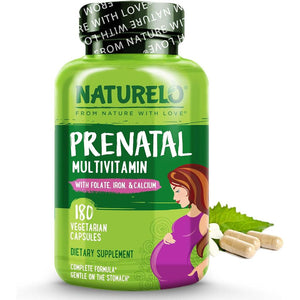
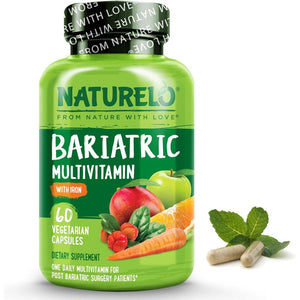
Pregnancy
 New mum
 Bariatric
 Active
 Gut health
 Plant-based
 Over 50


New mums
Breastfeeding and your diet: what actually needs a supplement
The short answer
You do not need a special diet to breastfeed. A healthy, varied diet covers most of what you and your milk need, and the one supplement the NHS asks everyone who is breastfeeding to take is vitamin D, 10 micrograms a day. The genuine watch-points are on a plant-based diet: vitamin B12 needs a supplement or fortified foods, and the omega-3 DHA usually comes from oily fish, with algal oil as the plant-based route. Beyond that, eat regularly, drink to thirst, and try not to overthink it.
- A varied diet covers most of it. No special foods are required.
- The one recommended supplement while breastfeeding is 10 µg vitamin D.
- On a vegan diet, B12 needs a supplement or fortified foods.
- If you do not eat oily fish, algal DHA is the plant-based omega-3 route.
- More supplements are not better. Aim to cover the specific gaps in your diet.

Do you need a special breastfeeding diet
No, you do not. The NHS is clear that you do not need to eat anything special while breastfeeding. A varied diet with plenty of fruit and vegetables, some starchy carbohydrates, protein, and dairy or fortified alternatives does the job. Your energy needs are a little higher, so eat regularly and to your appetite rather than counting anything.
The one supplement the NHS recommends
If you take one thing, take vitamin D, 10 micrograms a day, for as long as you breastfeed. That is the single supplement the NHS recommends across the board at this stage, for the same reason as in pregnancy: UK sunlight is not reliable enough for much of the year. Everything else depends on your own diet and where it falls short.
Where a plant-based diet needs a hand
Two nutrients are worth real attention if you eat little or no animal food. The first is vitamin B12, which is found naturally in animal foods, so a vegan diet needs either a B12 supplement or reliably fortified foods. The NHS is direct about this one. The second is the long-chain omega-3 DHA, which most people get from oily fish. Maternal intake of DHA contributes to the normal brain and eye development of breastfed infants, at a daily intake of 200 mg of DHA on top of the usual 250 mg of omega-3. If you do not eat fish, an algal DHA is the direct plant-based source, which we cover in the vegan omega-3 guide.
Iodine, calcium and eating enough
A few others sort themselves out with a varied diet, with one caveat. Iodine comes mainly from dairy and white fish in the UK, so if you avoid both, it is worth being deliberate about your sources. Calcium comes from dairy or fortified plant alternatives and leafy greens. And the general rule holds: eating enough, across the day, matters more than any single food. If your diet is genuinely restricted, your GP or a dietitian can help you plug the specific gaps.
So do you need a postnatal
Not necessarily. If you eat well and take your vitamin D, you have the essentials. A postnatal multivitamin is a convenient way to cover vitamin D plus a few nutrients, in one capsule, on the days when a balanced plate does not happen. It is there for convenience on the days a balanced plate does not happen, and it does not replace eating well.
Keeping it simple
If you would like the vitamin D the NHS asks for plus everyday support in one place, our new-mum routine is built around the postnatal and only includes what applies to you. If your diet already has you covered, vitamin D on its own is a perfectly sensible plan.
FAQ
Questions people ask
Do I need to eat a special diet while breastfeeding?
No. A healthy, varied diet covers most needs, with vitamin D as the one recommended supplement.
What supplements do I actually need while breastfeeding?
Vitamin D for everyone, plus vitamin B12 and an omega-3 DHA source if you eat little or no animal food.
Do I need to eat more while breastfeeding?
Your energy needs are slightly higher, so eat regularly and to your appetite rather than to a strict number.
What do vegans need to watch while breastfeeding?
Vitamin B12 from a supplement or fortified foods, and DHA from algal oil if you do not eat fish.
Keep reading
Related guides
Read the guide →Postnatal recovery and energy: an honest guideTiredness with a newborn is normal. What nutrition can and cannot do for postnatal energy, and when to speak to your health visitor.
Read the guide →
Written by NATURELO Editorial Team
Edited by Milan Shah, Certificate in Plant-Based Nutrition
This guide is general information, not a substitute for advice from your GP, midwife or pharmacist.