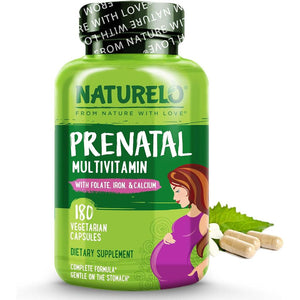
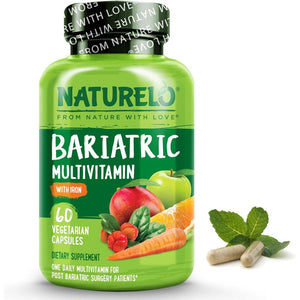
Pregnancy
 New mum
 Bariatric
 Active
 Gut health
 Plant-based
 Over 50


New mums
Postnatal recovery and energy: an honest guide
The short answer
Being shattered in the weeks after birth is normal, and most of it comes down to broken sleep, which no supplement can fix. A lot of "new mum energy" products suggest otherwise, and they are wrong to. Nutrition still has a supporting role: iron and folate contribute to the reduction of tiredness and fatigue, and vitamin B12 contributes to normal psychological function, among others. Iron is only worth taking if a blood test shows you are low. And if your tiredness comes with feeling persistently low or unable to cope, that is a conversation for your GP or health visitor, not something to manage with vitamins.
- Broken sleep is the main reason you are tired. No capsule replaces sleep.
- Iron and folate contribute to the reduction of tiredness and fatigue.
- Iron is only for people found to be low on a blood test.
- Persistent low mood or feeling unable to cope is a GP or health-visitor matter.

Why you are so tired, and what will not fix it
The main driver of new-parent exhaustion is disrupted sleep, plus the physical recovery from birth and the sheer relentlessness of caring for a newborn. No supplement corrects a sleep debt, and any product that suggests it can is overpromising. Naming it helps, because it points you at what does make a difference: rest when you can, accept help, and eat regularly.
The nutrients with a real, supported role
Within that reality, a few nutrients do carry a supported role in energy and everyday function, which is why a postnatal is built the way it is. In ours, iron and folate contribute to the reduction of tiredness and fatigue, vitamin B12 and biotin contribute to normal psychological function, vitamin B6 contributes to the regulation of hormonal activity, and chromium contributes to normal macronutrient metabolism and to the maintenance of normal blood glucose levels. Each of those is an authorised function. None of them makes up for being up four times a night.
Iron, only if you are low
Tiredness makes a lot of people reach for iron, but it is only worth taking if a blood test shows you are low, which is more likely if you lost blood during delivery. Iron you do not need is not harmless, so the sensible order is to ask your GP or midwife for a test first. We go into the gentler form and how to take it in the iron after birth guide.
When to speak to someone about how you feel
This part matters more than any supplement. If you feel persistently low, tearful, anxious, hopeless, or that you cannot cope or bond with your baby, please talk to your GP or health visitor. Feeling this way after birth is common, it is not a failing, and it is something they can help with. A vitamin does not help with this. The right people to turn to are your GP or health visitor.
A simple routine
If you want the vitamin D the NHS asks for plus the tiredness and everyday-function support in one daily capsule, our postnatal is built for this stage and only includes what applies to you. Pair it with as much rest as a newborn allows, since rest is what matters most here.
FAQ
Questions people ask
What vitamins help with postnatal energy?
Iron and folate contribute to the reduction of tiredness and fatigue, and B12 to normal psychological function, but no supplement replaces sleep.
Why am I so tired after having a baby?
Mostly broken sleep and physical recovery. That is normal, and it is not something a supplement fixes.
Should I take iron for tiredness after birth?
Only if a blood test shows you are low. Ask your GP or midwife before starting.
When should I see someone about how I am feeling?
If you feel persistently low, unable to cope, or unlike yourself, speak to your GP or health visitor. It is common and they can help.
Keep reading
Related guides
Read the guide →Vitamin D while breastfeeding: how much for you, and your babyWhy the NHS asks you to keep taking 10 µg vitamin D while breastfeeding, what your baby needs, and free Healthy Start vitamins.
Read the guide →
Written by NATURELO Editorial Team
Edited by Milan Shah, Certificate in Plant-Based Nutrition
This guide is general information, not a substitute for advice from your GP, midwife or pharmacist.