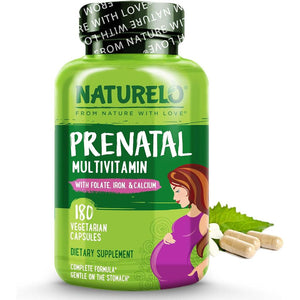
Pregnancy
 New mum
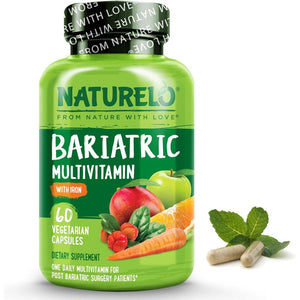
 Bariatric
 Active
 Gut health
 Plant-based
 Over 50


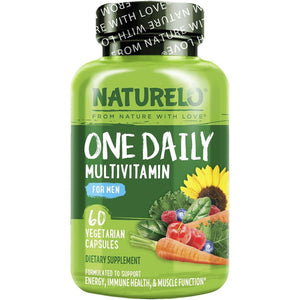
Men
Men over 50: what changes
The short answer
After 50, a couple of things shift for men, and a couple stay the same. Your skin makes vitamin D less efficiently, so the case for a year-round supplement gets stronger for some men. Your body also tends to absorb vitamin B12 from food less well with age. What does not change is iron: men still rarely need it. The rest is the same sensible routine, and no supplement reverses ageing, whatever the label says.
- Vitamin D becomes more of a year-round consideration for some older men.
- B12 absorption from food declines with age, so the form you get matters.
- Iron stays a low-need nutrient for men. Do not add it without a test.
- Ignore anti-ageing and testosterone claims. They do not hold up.

What changes after 50
Two things stand out, and both can be named precisely.
| What changes | What it means |
|---|---|
| Skin makes less vitamin D | The year-round case gets stronger for some men |
| B12 absorbed less well from food | The free form in supplements is absorbed more readily |
| Iron need is unchanged | Still 8.7 mg, still not routine for men |
Vitamin D
Everyone in the UK is advised to consider 10 micrograms of vitamin D a day through autumn and winter. With age, and if you are less often outdoors, the argument for taking it all year gets stronger, which is why older adults who are rarely outside are among the groups the NHS advises to supplement year-round. Our vitamin D guide has the dose detail.
B12 and absorption
Vitamin B12 is the one that quietly changes with age. Absorbing the B12 in food relies on stomach acid and a protein called intrinsic factor, and that machinery becomes less reliable as you get older. The free form found in fortified foods and supplements does not depend on that first step, so it tends to be absorbed more readily. B12 contributes to normal energy-yielding metabolism, to the normal function of the nervous system, and to the reduction of tiredness and fatigue. Our page on B12 and absorption with age covers it in full.
Iron stays low-need
This is a common myth. Older men do not suddenly need more iron. Without the losses women have, men rarely run low at any age, and the reference intake stays 8.7 mg a day. Adding iron you do not need is not harmless, so unless a blood test shows a reason, an over-50 multivitamin without a high iron level is usually the better fit.
Do you need an over-50 multivitamin?
Over-50 formulas typically adjust a few levels, often lower iron and a bit more vitamin D and B12, which matches the changes above. That makes them convenient, tuned to the changes above. If you want simple cover tuned to this stage, our over-50 multivitamin range is built around it, with vitamin D as the constant. In our men's over-50 one-daily, magnesium contributes to normal energy-yielding metabolism, vitamin D to the maintenance of normal bones, thiamin to the normal function of the heart, and iodine and zinc to normal cognitive function.
FAQ
Questions people ask
What vitamins should a man over 50 take?
Vitamin D remains the key one, and B12 is worth attention as absorption declines. Beyond that, a varied diet does most of the work.
Do older men need vitamin D all year?
Some do, particularly if they are rarely outdoors. Everyone is advised to consider it through autumn and winter.
Do men over 50 need more iron?
No. Men rarely need iron at any age, and over-50 formulas usually keep it low on purpose.
Do over-50 multivitamins slow ageing?
No supplement reverses or slows ageing. An over-50 formula tunes the everyday levels to this stage.
Keep reading
Related guides
Read the guide →Vitamin B12 and absorption with ageWhy B12 absorption from food declines with age, how food-bound and free B12 differ, who is most at risk, and how much you need.
Read the guide →
Written by NATURELO Editorial Team
Edited by Milan Shah, Certificate in Plant-Based Nutrition
This guide is general information, not a substitute for advice from your GP, midwife or pharmacist.