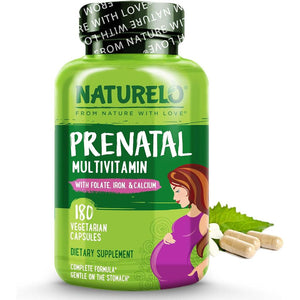
Pregnancy
 New mum
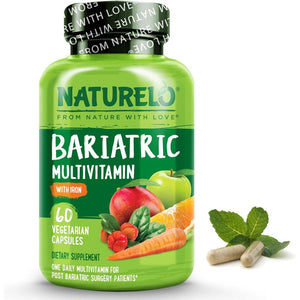
 Bariatric
 Active
 Gut health
 Plant-based
 Over 50


Men
How to choose a multivitamin for men
The short answer
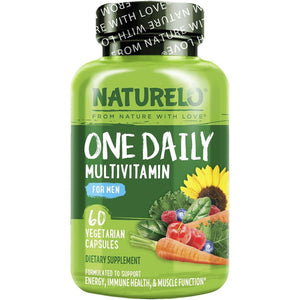
Most men who eat well do not strictly need a multivitamin. The one thing worth doing whatever your diet is vitamin D through autumn and winter, 10 micrograms a day, as the NHS suggests. If you want cover for the gaps, pick a sensibly dosed formula without routine iron. Men's Daily Essentials is one a day; Complete is four.
- Sort the diet first, then consider 10 µg of vitamin D a day through autumn and winter, as the NHS suggests; a multivitamin on top is cover for the gaps.
- Most men do not need extra iron in a multivitamin unless a test or a GP gives a reason; 8.7 mg a day usually comes from food.
- Look for enough vitamin D without pushing your total near the 100 µg ceiling, and count anything else you take; more is not better.
- Men's Daily Essentials is one capsule for simplicity, Men's Complete is four for depth. Neither contains iron, both are vegan.

Start here
The guides in this section
Do men need a multivitamin?
For most, not really. A varied, balanced diet gives a healthy man most of what he needs. The usual exception is vitamin D in the darker months. So a multivitamin is really cover for the gaps, not something you have to take every day come what may.
Where it earns its keep is the weeks that do not go to plan: eating on the move, meals skipped, the same three dinners on repeat, or a food group cut out and not quite replaced. Through a stretch like that, a daily multivitamin quietly fills in. What it will not do is make up for a genuinely poor diet, and any brand that tells you otherwise is really just selling you the bottle.
There is one gap worth naming. If you eat little or no animal food, you need a dependable source of vitamin B12, because unfortified plant foods will not give it to you reliably. A multivitamin with enough B12 covers it, and if that is you, our guide to vitamin B12 for vegans goes into it properly.
What to look for
A few things are worth a look on the label. On vitamin D, you want enough to cover the winter dose without pushing your total near the 100 microgram ceiling the NHS sets, which leaves room for anything else you take, a separate drop or a cod liver oil included. More is not automatically better, and our vitamin D3 guide has the detail if you want it.
Otherwise, look for a label you can actually read: how much of each vitamin and mineral, the form it comes in, and what else is in the capsule. The long ingredient lists on sports-branded formulas are mostly impressive on paper.
- Mega-dosing for its own sake. Higher percentages are not automatically a mark of a better formula. Compare the whole formula, stay within established safe upper limits where these exist, and count what you take elsewhere.
Daily Essentials or Complete
If a NATURELO men's multivitamin fits, it comes down to two: one built for simplicity, one for depth.
| Men's Daily Essentials | Men's Complete | |
|---|---|---|
| Choose it if | You want a simple one-capsule routine | You want a broader four-capsule routine |
| Capsules a day | 1 | 4 (2 with breakfast, 2 with dinner) |
| Vitamins and minerals | 23 | 24 |
| Vitamin D3 | 22 µg | 25 µg, from lichen |
| Iron | None | None |
| Extras | Fruit and veg blend | Fruit and veg blend, cultures and enzymes, botanicals, CoQ10 |
| Vegan | Yes | Yes |
| Roughly per day | About 26p to 55p | About £1.28 to £1.66 |
Our one-a-day multivitamin for men, Men's Daily Essentials, is the simple pick: one capsule, 23 vitamins and minerals, nothing to think about on a busy morning. It includes vitamin D3, which contributes to the maintenance of normal muscle function.
Men's Complete is for the man who wants more in the capsule and is happy taking four a day, two with breakfast and two with dinner. It carries higher levels of several nutrients, plus a few whole-food extras for anyone who likes a fuller formula. Both are vegan, and neither contains iron.
Over 50?
Things shift a little with age, so if you are over 50 we have a separate guide that explains what is worth checking and when a 50+ formula makes sense. Start with vitamins for men over 50, then have a look at the two men's 50+ options: the one-a-day Men's 50+ for simplicity and the broader Men's 50+ Complete.
Iron: why men rarely need it
Most men meet the 8.7 milligrams of iron they need in a day from food alone, which is why extra iron is not something to look for in a multivitamin by default. Men lose very little iron day to day, so for most there is simply no shortfall to top up.
There are reasons a man might need more, and if a blood test has shown you are low, that is one to follow with your GP or pharmacist rather than guess at. But for the majority, the better formula is just the one without added iron.
Omega-3 if you skip the oily fish
A multivitamin does not usually carry much omega-3, so this one sits alongside rather than inside it. The NHS suggests two portions of fish a week, one of them oily, such as salmon, mackerel or sardines. If that is not happening most weeks and you are thinking about a supplement, our omega-3 guide runs through what to check. And if you do eat oily fish regularly, you are already there and can skip it.
Staying safe
A few sensible checks before you start anything.
- Warfarin and vitamin K. Our multivitamins contain vitamin K, so if you take warfarin, have a word with your GP or pharmacist before you change your vitamin K intake.
- Add up what you already take. If you take more than one supplement, read across all of them. Vitamin D is the easy one to double up on without noticing, and with zinc the NHS suggests keeping supplements to 25 milligrams a day or less unless a doctor advises otherwise.
- Ask if you are not sure. A pharmacist is a free and easy first stop, especially if you take any regular medication.
- Buying for a teenager? These are adult formulas. For anyone under 18, our teen range is the place to look instead.
FAQ
Questions people ask
What vitamins should a man take daily?
For most men, the priority is a varied diet, plus 10 micrograms of vitamin D a day through autumn and winter, which is what the NHS suggests we all consider. A multivitamin on top is optional cover for the gaps.
Is a men's multivitamin worth it?
It can be, as handy cover when your diet has gaps or your eating is all over the place. It is not a replacement for food, and it will not fix a poor diet.
Do men need iron in a multivitamin?
Most do not, unless there is a specific reason such as a test showing you are low. Men need about 8.7 milligrams a day, and most of us get that from food without thinking about it.
How much vitamin D is too much?
The NHS puts the ceiling at 100 micrograms a day. Count everything together, since vitamin D turns up in multivitamins, standalone drops and fish oils alike.
One a day or four a day: which should I choose?
One a day if you want simple and reliable. Four a day if you want a broader formula and know you will keep to it.
Can I take a multivitamin with omega-3 or vitamin D?
Usually, yes. The thing to watch is your total vitamin D across everything, and if you take any medication, a pharmacist can tell you in a minute.
Should I take a men's multivitamin with food?
Men's Daily Essentials is one capsule a day with a meal and a full glass of water. Men's Complete is four a day, two with breakfast and two with dinner.
Keep reading
Related guides
Read the guide →Do you need a daily multivitamin? A UK guideMost healthy adults eating well need little beyond winter vitamin D. When a daily multivitamin is worth it, when it is not, and what a good one contains.
Read the guide →
Written by NATURELO Editorial Team
Edited by Milan Shah, Certificate in Plant-Based Nutrition
This guide is general information, not a substitute for advice from your GP, midwife or pharmacist.