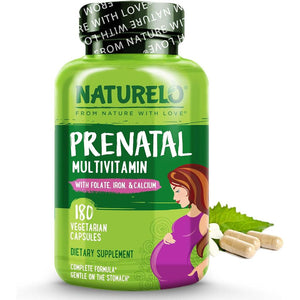
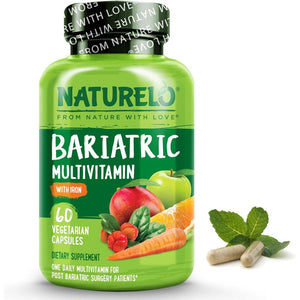
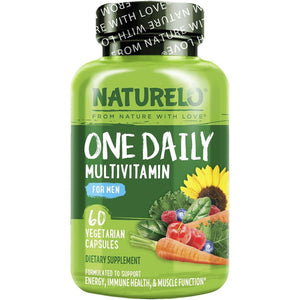
Pregnancy
 New mum
 Bariatric
 Active
 Gut health
 Plant-based
 Over 50


Women
Everyday essentials for women
The short answer
A sensible everyday routine for most women is short: vitamin D through the darker months, a one-daily multivitamin as steady cover if you want it, and omega-3 if you do not eat oily fish. Iron goes on the list only if a blood test shows you are low. That covers most of it. The rest of what gets marketed at women is optional, and quite a lot of it you can skip.
- Vitamin D in autumn and winter is the one with the strongest evidence behind it.
- A one-daily multivitamin is convenient cover, not a fix for a poor diet.
- Omega-3 matters mainly if you rarely eat oily fish.
- Iron belongs on your list only after a test confirms you are low.

The core routine
If you want a routine you will keep, keep it small. Four things cover most women: vitamin D seasonally, a one-daily as a base, omega-3 if fish is rare in your diet, and iron only when tested. Keep the routine short enough to sustain year-round.
Vitamin D
Through autumn and winter the UK sun is too weak for your skin to make vitamin D, so the NHS advises adults consider 10 micrograms a day across those months. If you are rarely outdoors, cover your skin, or have darker skin, the advice is to take it all year. It is cheap, backed by strong evidence, and relevant to nearly everyone.
Omega-3 if you skip fish
Oily fish is the main dietary source of the long-chain omega-3 your body uses, and the guidance is one to two portions a week. If that is not you, an omega-3 supplement is a reasonable stand-in, and if you are plant-based, algal oil is the direct plant source. Our vegan omega-3 guide explains the numbers to look for.
A one-daily as your base
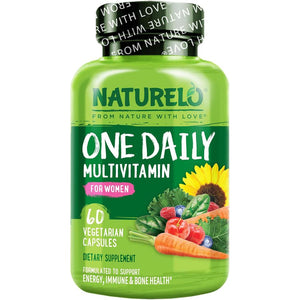
A one-daily multivitamin gives you a modest amount of the everyday vitamins and minerals in a single capsule. It sits under a varied diet as basic cover. It is a fair way to cover the small gaps a busy week leaves, which is what a women's one-daily is designed for. In it, iron contributes to the reduction of tiredness and fatigue, folate to normal blood formation, and vitamins C and D, zinc and B12 to the normal function of the immune system.
What you can usually skip
One point most "women's supplements" pages leave out: If you eat reasonably well, you probably do not need a drawer of separate bottles. Collagen, greens powders and most single-nutrient extras are optional, and none of them replaces a decent diet. Put the effort into the handful of basics and into the food on your plate.
FAQ
Questions people ask
What should a woman take every day?
For most, vitamin D in the colder months and a varied diet, with a one-daily for convenience. Add omega-3 if you rarely eat oily fish.
Is a multivitamin enough on its own?
It is a useful base, but it will not replace food or fix a poor diet.
Do I need iron every day?
Only if a blood test shows you are low. Taking iron without a reason is not a good idea.
Do I need a greens or collagen supplement?
Not for basic health. If you eat well, these are optional extras rather than essentials.
Keep reading
Related guides
Read the guide →Do you need a daily multivitamin? A UK guideMost healthy adults eating well need little beyond winter vitamin D. When a daily multivitamin is worth it, when it is not, and what a good one contains.
Read the guide →
Written by NATURELO Editorial Team
Edited by Milan Shah, Certificate in Plant-Based Nutrition
This guide is general information, not a substitute for advice from your GP, midwife or pharmacist.