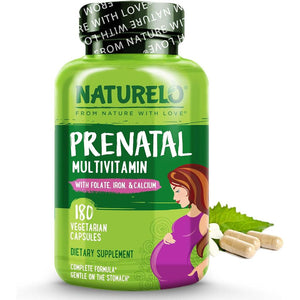
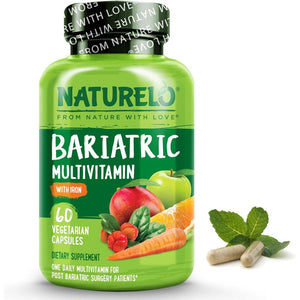
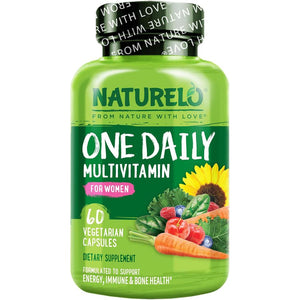
Pregnancy
 New mum
 Bariatric
 Active
 Gut health
 Plant-based
 Over 50


Women
Vitamins for women: a sensible UK guide
The short answer
For most women in the UK, the useful list is short. Nearly everyone should think about vitamin D through the darker months. Beyond that, the nutrient that sets many women apart is iron, because periods are the most common reason people run low, and folate if you might become pregnant. What you need shifts with your stage of life, so the right approach is a routine matched to where you are.
- Vitamin D is the one nearly every adult in the UK should consider in autumn and winter.
- Menstruating women are the group most likely to run low on iron, but confirm it with a test before supplementing.
- If there is any chance of pregnancy, folate matters before you know you are pregnant.
- After menopause your iron need drops to the same level as men, and the focus shifts.

Start here
The guides in this section
Does a woman need a multivitamin?
Not automatically. A woman eating a varied diet gets most of what she needs from food, and a multivitamin is there as cover for the gaps a varied diet leaves. Where a one-daily earns its place is convenience and cover: a sensible amount of the everyday vitamins and minerals in one capsule, so the gaps a busy week leaves get filled without you having to think about it. That is a reasonable choice. It will not fix a poor diet, and any product promising more than steady cover is overselling.
The one nearly everyone should think about
Between about October and March the UK sun is too weak for your skin to make vitamin D, so the NHS advises adults consider a daily 10 microgram supplement through autumn and winter. Some women are advised to take it all year: anyone rarely outdoors, who covers their skin, or who has darker skin and makes less from the sun. It applies to women and men alike. Our vitamin D guide covers the dose in full.
Iron, and why it matters more for women
This is where women and men differ. Monthly blood loss is the most common reason for low iron, which is why women of menstruating age are the group most likely to run short. The UK reference intake reflects it: 14.8 mg a day for women of childbearing age, against 8.7 mg for men. The catch is that tiredness has many causes and iron is one you can overdo, so the sensible order is a blood test first, then a gentle, well-absorbed form if you are low. Our page on iron for women walks through it.
Folate in the childbearing years
If there is any chance you could become pregnant, folate is worth having in place, because the window that matters is early, often before a pregnancy is confirmed. The NHS advises 400 micrograms of folic acid daily from before conception until 12 weeks. Outside of that specific pregnancy context, folate is one of the everyday B vitamins a varied diet and a one-daily will usually cover. If you are actively trying, our pregnancy guide has the detail.
How needs change with life stage
| Stage | What tends to matter |
|---|---|
| Menstruating years | Vitamin D, iron if a test shows you are low, folate if pregnancy is possible |
| Trying or pregnant | Folic acid and vitamin D as the NHS backbone (see the pregnancy guide) |
| After menopause | Iron need drops to 8.7 mg; steady everyday cover and bone maintenance come to the front |
There is no single "women's" nutrient, only the needs of your particular stage of life.
Where to start
If you want simple, steady cover for the everyday vitamins and minerals, a one-daily multivitamin formulated for women is an easy foundation, with vitamin D added through winter and iron only if a test says you need it. Our range of women's multivitamins is built around that idea. In our women's one-daily, iron contributes to the reduction of tiredness and fatigue and to normal formation of red blood cells, folate to normal blood formation, and vitamins C and D, zinc and B12 to the normal function of the immune system.
FAQ
Questions people ask
What vitamins should a woman take daily?
For most, vitamin D through autumn and winter, and a varied diet. Iron only if a test shows you are low, and folate if pregnancy is possible.
Do women need a special women's multivitamin?
Not strictly. Women's formulas usually adjust iron and a few other levels for typical needs, which is convenient, but a varied diet does most of the work.
Which vitamins are women most likely to be low in?
Iron is the standout, because of monthly blood loss. Vitamin D is common across the whole UK population in winter.
When should a woman take folic acid?
From before conception until 12 weeks of pregnancy, at 400 micrograms a day. Start it as soon as you are trying.
Keep reading
Related guides
Read the guide →Do you need a daily multivitamin? A UK guideMost healthy adults eating well need little beyond winter vitamin D. When a daily multivitamin is worth it, when it is not, and what a good one contains.
Read the guide →
Written by NATURELO Editorial Team
Edited by Milan Shah, Certificate in Plant-Based Nutrition
This guide is general information, not a substitute for advice from your GP, midwife or pharmacist.