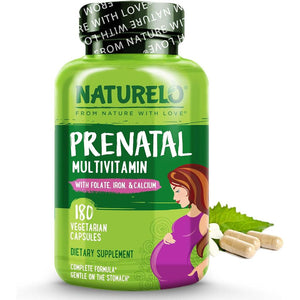
Pregnancy
 New mum
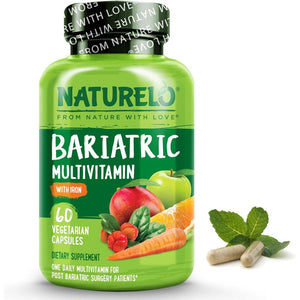
 Bariatric
 Active
 Gut health
 Plant-based
 Over 50


Everyday health
Do you need a daily multivitamin? A UK guide
The short answer
Most healthy adults in the UK who eat a varied diet do not need a daily multivitamin. The one supplement worth taking every day is vitamin D through the autumn and winter, which the NHS advises for everyone. A daily multivitamin is reasonable cover if your diet has gaps, if you eat a restricted diet, or at a life stage with higher needs, but it does not replace good food.
- Food first. A multivitamin covers small gaps in an otherwise varied diet.
- Nearly everyone in the UK: consider vitamin D in autumn and winter.
- A daily multivitamin helps most when your diet is patchy or restricted.
- Some nutrients build up in the body, so taking more than you need can do harm.

Start here
The guides in this section
Does everyone need a multivitamin?
No. A varied diet already supplies most of what a multivitamin contains. If you eat a varied diet with enough fruit, vegetables, wholegrains, protein and some dairy or fortified alternatives, you are getting most of what you need from food, and that is the goal. A daily multivitamin earns its place when there is a real gap: a diet that misses whole food groups, a busy stretch when meals slip, or a stage of life with higher needs. It provides cover for occasional gaps, and no capsule compensates for a consistently poor diet.
The one thing nearly everyone in the UK should take
Vitamin D is the exception to the rule that food supplies what you need. Between about October and March there is not enough sunlight in the UK for your skin to make it, whatever the weather does, so the NHS suggests adults consider 10 micrograms a day through the darker months. Some people are advised to take it all year: those who are rarely outdoors, who cover their skin, or who have darker skin and make less from the sun. Of everything on this page, vitamin D is the one to prioritise. Our vitamin D guide covers the dose.
Who a daily multivitamin helps
A multivitamin helps people whose diets leave a real gap, and adds little for those who already eat well. It tends to help if you eat a restricted diet such as vegan or dairy-free, where a few nutrients need planning; if your eating is patchy from week to week; or at higher-need life stages, which we cover in the pregnancy, new-mum and over-50 guides. For teenagers, see our guide to vitamins for teenagers. If none of those is you and you eat well, you can probably skip the multivitamin and just take vitamin D in winter. For a well-fed adult, food and winter vitamin D cover it.
Can you take too many vitamins?
With some, yes. The ones to respect are the fat-soluble vitamins, A, D, E and K, and minerals like iron, which the body stores and can build up. Our guide on how to choose an iron supplement covers when extra iron is worth adding. This is why a sensible daily multivitamin keeps to everyday amounts near the reference intake. Each of our ingredient guides flags where the ceiling matters.
What a good daily multivitamin contains
Reading the label tells you more than the length of the ingredient list. A sensible daily multivitamin covers the everyday vitamins and minerals at amounts near the reference intake, in forms your body uses well, without a wall of mega-doses you do not need. The label also lists other ingredients, which we explain in our guide to what is in a supplement. A simple daily formula you keep up with does more for you than an elaborate one you soon stop taking.
Choosing a simple daily routine
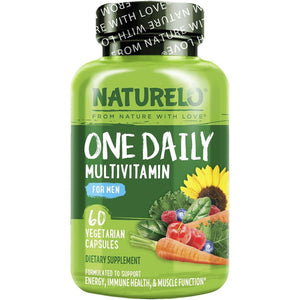
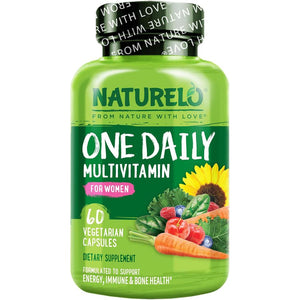
A multivitamin only does its job if you take it regularly, so choose a sensible dose in a form that suits you. If you have decided a daily multivitamin is right for you, our one-daily essentials range keeps it to a single capsule a day, and the whole-food range shows what is inside before you buy. In our one-daily essentials range, vitamins C and D, zinc and folate contribute to the normal function of the immune system. For how this applies to men, including iron and vitamin D, see our guide to choosing a men's multivitamin.
FAQ
Questions people ask
Should you take a multivitamin every day?
Most healthy adults eating a varied diet do not need to. The one supplement worth taking daily in the UK is vitamin D through autumn and winter. A daily multivitamin is reasonable cover if your diet has gaps.
Are multivitamins worth it?
They are worth it for people with patchy or restricted diets, or higher needs at certain life stages. If you eat well, you may only need vitamin D in winter.
What does the NHS recommend?
For the general population, vitamin D in autumn and winter, with year-round advice for some groups. Pregnancy has its own specific advice.
Can you take too many vitamins?
With fat-soluble vitamins (A, D, E, K) and minerals like iron, yes, because the body stores them.
Keep reading
Related guides
Read the guide →Vitamin D3: how much to take, and is 5000 IU too much?The NHS baseline, D3 versus D2, vegan D3 from lichen, and an honest look at the safe upper level and the 5000 IU question.
Read the guide →
Written by NATURELO Editorial Team
Edited by Milan Shah, Certificate in Plant-Based Nutrition
This guide is general information, not a substitute for advice from your GP, midwife or pharmacist.