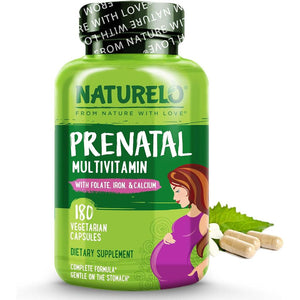
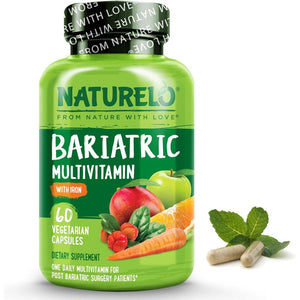
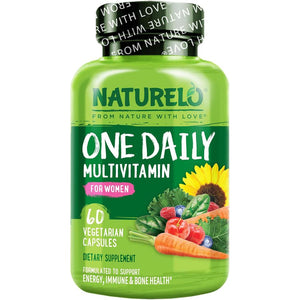
Pregnancy
 New mum
 Bariatric
 Active
 Gut health
 Plant-based
 Over 50


Women
Iron for women
The short answer
Periods are the main reason women run low on iron, and the UK reference is 14.8 mg a day for women of childbearing age, dropping to 8.7 mg from 50. Not every woman needs a supplement, so add iron when there is a reason and ask your GP or pharmacist if you are unsure. A gentle form taken with vitamin C is easiest to keep up.
- Periods are the main reason women run low on iron; heavy periods are worth paying attention to.
- UK reference: 14.8 mg a day for women of childbearing age, 8.7 mg from age 50 (still having periods after 50 may mean more).
- Add iron when there is a reason, rather than just in case; if unsure, ask your GP or pharmacist.
- A gentle form such as ferrous bisglycinate, taken with vitamin C, is easiest to keep taking; tea, coffee and dairy at the same time reduce absorption.

Why women run low on iron
Iron is often thought of as a "women's" nutrient, and the reason is periods: the monthly blood loss is what most often tips a woman towards running low, so heavy periods in particular are worth paying attention to. Iron contributes to normal formation of red blood cells and haemoglobin. Pregnancy and a mostly plant-based diet are two other times iron is worth a closer look.
How much iron women need
The UK reference amounts go by age and sex.
| Who | Reference amount |
|---|---|
| Women of childbearing age | 14.8 mg a day |
| Women aged 50 and over | 8.7 mg a day |
| Men | 8.7 mg a day |
The number to read on any label is the milligrams of iron itself, not the weight of the compound.
Add iron when there is a reason
More is not automatically better with iron, and too much is its own problem, so it is one to add when there is a reason rather than just in case. If you are unsure whether extra iron is right for you, ask your GP or pharmacist. When you have decided to go ahead, our guide to how to choose an iron supplement covers form, dose and overlap.
The gentler form, and how to take it
If a previous iron left you feeling rough, the form is usually where the difference lies. Ferrous bisglycinate is iron bound to glycine, a gentle form often chosen because it is easy to keep taking, and our ingredient guide to iron bisglycinate goes into it. Vitamin C increases iron absorption, so taking iron with a source of vitamin C helps, while tea, coffee and dairy at the same time hold it back.
After menopause
After menopause the monthly loss has stopped, so from age 50 the reference amount for women drops to 8.7 mg a day, the same as for men. Many women no longer need extra iron at that point, and a general multivitamin without a high iron level can be the better fit. If your periods have carried on past 50, or there is another reason to take it, you may still sit nearer the higher amount.
FAQ
Questions people ask
Do women need to take iron?
Not all of them. Periods are the main reason women run low, so a supplement makes sense when there is a reason such as heavy periods or professional advice. From age 50, without periods, most women no longer need extra iron. If you are unsure, ask your GP or pharmacist.
How much iron do women need a day?
The UK reference is 14.8 mg a day for women of childbearing age and 8.7 mg from age 50. If you are still having periods after 50 you may sit nearer the higher figure. Read the label for the milligrams of iron itself.
Does iron make you constipated?
Any iron can be hard on digestion for some people. A gentle form such as ferrous bisglycinate is often chosen because it tends to sit more easily, and taking it with food and a full glass of water helps.
When is the best time to take iron?
With food and a full glass of water, at a time that suits you. Vitamin C alongside helps absorption, while tea, coffee and calcium or dairy at the same time get in the way, so keep those to another part of the day where you can.
Keep reading
Related guides
Read the guide →Iron bisglycinate: the gentle, well-absorbed form of ironWhy iron bisglycinate is gentler on the stomach, how to take it so it absorbs, and when you actually need an iron supplement.
Read the guide →
Written by NATURELO Editorial Team
Edited by Milan Shah, Certificate in Plant-Based Nutrition
This guide is general information, not a substitute for advice from your GP, midwife or pharmacist.