Pregnancy
 New mum
 Bariatric
 Active
 Gut health
 Plant-based
 Over 50


Pregnancy
Iron in pregnancy: do you need it, and which form
The short answer
You do not need an iron supplement in pregnancy just because you are pregnant. The NHS does not recommend one for everyone. It is for women whose blood test shows they are low, which your midwife will check as part of your antenatal care. If you are low, a gentle, well-absorbed form like bisglycinate, taken with vitamin C, is easier to live with than standard iron.
- Iron is not recommended for everyone in pregnancy, only if you are found to be low.
- Your midwife checks your iron with routine blood tests.
- If you need it, bisglycinate is a gentler form.
- Take it with vitamin C, away from tea, coffee and calcium.

Do you need iron in pregnancy?
Your body does need more iron in pregnancy, but that does not mean everyone needs a supplement. In the UK, iron supplements are not given as standard. You are tested during antenatal care, and iron is recommended if those tests show your levels are low. The sequence is to test first and treat only if the results call for it, so nobody takes iron on the assumption they are short. If you are feeling drained, mention it to your midwife before starting iron on your own, because tiredness is common in pregnancy for many reasons.
How much, and why the form matters
Away from pregnancy, the UK reference intake for women is 14.8 mg a day. Needs rise in pregnancy, and if you are low your midwife will advise on the right amount for you. Where you do have a choice is the form. Standard iron salts work, but they are the reason iron is known for constipation and nausea. Bisglycinate, iron bound to an amino acid, tends to be gentler and well absorbed, so it is easier to keep taking over the months you may need it.
How to take it so it absorbs
- With a source of vitamin C, which helps absorption. Our gentle iron already includes vitamin C.
- Away from tea and coffee, which reduce absorption. Leave an hour either side.
- Not at the same time as a calcium supplement or a large dairy meal.
What to take
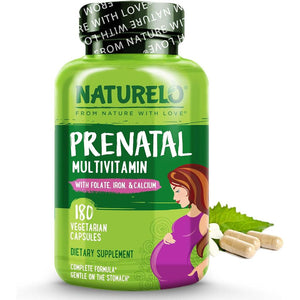
If your midwife has confirmed you are low, our gentle iron uses ferrous bisglycinate with added vitamin C, which is the gentler form and the helpful pairing in one. Our prenatal also contains iron, 27 mg from a ferrous bisglycinate complex, as part of the wider formula. Which route suits you depends on what your midwife advises, so start there.
FAQ
Questions people ask
Do I need iron in pregnancy?
Only if a blood test shows you are low. It is not recommended for everyone as standard.
Which iron should I take in pregnancy?
If you need one, a gentle, well-absorbed form like bisglycinate, taken with vitamin C. Your midwife advises the amount.
Does pregnancy iron cause constipation?
Standard iron can. A gentler form like bisglycinate is less likely to, and taking it with food and water helps.
Will my prenatal cover my iron?
A prenatal contains some iron, but if you are diagnosed as low your midwife may recommend a specific iron supplement on top.
Keep reading
Related guides
Read the guide →Folate and folic acid in pregnancy: how much, and which formHow much folic acid to take in pregnancy, when to start and stop, and the honest evidence on folate, folic acid and methylfolate.
Read the guide →Choline in pregnancy: how much, and from whereCholine is one of the most overlooked nutrients in pregnancy. How much the evidence supports, the food-first sources, and what a prenatal adds.
Read the guide →
Written by NATURELO Editorial Team
Edited by Milan Shah, Certificate in Plant-Based Nutrition
This guide is general information, not a substitute for advice from your GP, midwife or pharmacist.