Pregnancy
 New mum
 Bariatric
 Active
 Gut health
 Plant-based
 Over 50


Iron
How to choose an iron supplement
The short answer
Most people get the iron they need from a varied diet, so add iron when there is a reason rather than just in case. If you do, choose by the form, the amount of iron in a serving, whether it includes vitamin C, and what else you already take that may contain iron.
- Food first: most people meet the UK iron reference (14.8 mg for women 19 to 49; 8.7 mg for men and women 50 and over) from a varied diet.
- Add iron deliberately when there is a reason, such as ongoing blood loss or professional advice; if unsure, ask your GP or pharmacist.
- Read the label for the milligrams of iron itself; vitamin C increases iron absorption, so a form that includes it, or a vitamin C source alongside, helps.
- Iron appears in many multivitamins, so add up the totals before combining, and keep iron supplements out of the reach of children.

Start here
The guides in this section
Do you need extra iron?
With iron, food comes first. Most people get what they need from a varied diet, so this is one to add on purpose, when there is a reason, rather than just in case. Iron contributes to normal formation of red blood cells and haemoglobin.
Women aged 19 to 49 need 14.8 milligrams a day, while men, and women from 50, need 8.7. If you are still having periods after 50, you may sit at the higher figure.
Iron earns a closer look if there is ongoing blood loss such as heavy periods, if your diet makes it harder to come by, or if a professional has told you that you need extra. If you eat mostly or entirely plants, our guide to iron on a plant-based diet is the place to go, since plant foods do contain iron and a supplement is not a given. And if you are not sure whether you need any, your GP or pharmacist can tell you.
Which form?
If a previous iron was hard to live with, the form is worth looking at. The iron salts, ferrous sulphate, fumarate and gluconate, are the long-standing options. Ferrous bisglycinate is iron bound to the amino acid glycine, a gentle form often chosen for tolerability. There is no single best form for everyone, so what you can take comfortably and keep taking counts for a lot.
A 2023 systematic review found fewer gastrointestinal side effects with ferrous bisglycinate than with other iron supplements in trials of pregnant women, though evidence in other groups was more limited. Our guide to iron bisglycinate goes into the form properly.
How much iron?
The number to read on any label is the milligrams of iron itself, not the weight of the compound it comes in.
Ours is 25 milligrams as ferrous bisglycinate, in one capsule a day. It suits someone who has decided they need extra iron, not a casual top-up, and with iron, more is not better.
Vitamin C
Vitamin C increases iron absorption, which is why the two go well together. Ours has 50 milligrams of vitamin C in the same capsule, so that is taken care of. If your iron does not include any, a vitamin C source at the same time, a glass of orange juice for instance, does the same job.
Already taking iron?
Iron turns up in more products than people expect, so before you add a separate supplement it is worth adding up what you already get. Here is the iron in ours, per daily serving.
| Product | Iron per daily serving |
|---|---|
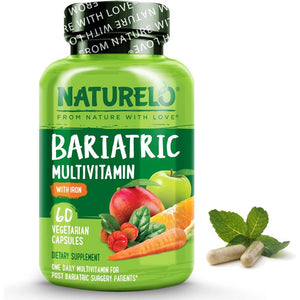
| Bariatric Multivitamin | 36 mg |
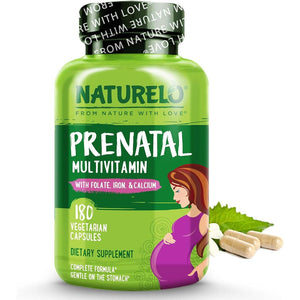
| Prenatal | 27 mg |
| Iron Supplement with Vitamin C | 25 mg |
| Women's Complete | 14 mg |
| Women's Daily Essentials | 9 mg |
| Postnatal | 9 mg |
| Beauty Multivitamin | 9 mg |
| Teen Complete with Iron | 4 mg |
And that is before any other brand you take, so do not double up without a reason.
How to take it
Follow the label, or your clinician's advice if you have been given any. Ours is one capsule a day with food and a full glass of water, with the vitamin C already in there.
Tea, coffee and calcium or dairy can get in the way of iron absorption, so it is worth keeping them to a different time of day where you can. If you take regular medicines, ask a pharmacist whether you need to leave a gap between them and your iron supplement.
When the advice is different
- Pregnancy: follow your midwife or GP, and see iron in pregnancy.
- After birth: our guide to iron after birth covers it.
- After bariatric surgery: your bariatric team leads on this.
- Under 18: this guide is written for adults.
- Iron overload: if you have haemochromatosis or another condition that causes iron overload, do not start an iron supplement unless your clinician has advised it.
And keep iron supplements out of the reach of children.
Choose yours
- You have decided you need iron, you are an adult, and nothing else you take contains it: our Iron Supplement with Vitamin C, from about 22p a day (180 capsules).
- No particular reason: you probably do not need a separate iron supplement, and our guide to whether you need a daily multivitamin is a better place to start.
- Women, or eating plant-based: start with iron for women or the plant-based iron guide.
FAQ
Questions people ask
Do I need an iron supplement?
Most people get enough iron from a varied diet, so a supplement is for when there is a reason, such as ongoing blood loss or advice from a professional. If you are unsure whether you need extra iron, ask your GP or pharmacist.
Which form of iron is best?
There is no single best form for everyone. The iron salts (ferrous sulphate, fumarate, gluconate) are long-standing options, and ferrous bisglycinate is a chelated form often chosen for tolerability. Choose by what you can keep taking comfortably and what your clinician advises if you have been given advice.
How much iron should a supplement have?
Read the label for the milligrams of iron itself, not the weight of the compound. The right amount depends on your reason for taking it, so match it to that rather than reaching for the biggest number.
Should I take iron with vitamin C?
Vitamin C increases iron absorption, so it helps to take iron with a vitamin C source. Our Iron Supplement with Vitamin C includes 50 mg in the same capsule.
Can I take iron with my multivitamin?
Check whether your multivitamin already contains iron, as many do, and add up the totals before combining. Do not double up without thinking, and ask a pharmacist if you are unsure.
Is there a gentle iron supplement?
Our Iron Supplement with Vitamin C uses ferrous bisglycinate, a gentle form often chosen for tolerability. What suits one person may differ from another.
How should I take an iron supplement?
Follow the label or your clinician's advice. Ours is one capsule a day with food and a full glass of water, with its vitamin C included. Tea, coffee and calcium or dairy can reduce absorption, so avoid them at the same time where practical, and if you take regular medicines, ask a pharmacist whether to leave a gap.
Keep reading
Related guides
Written by NATURELO Editorial Team
Edited by Milan Shah, Certificate in Plant-Based Nutrition
This guide is general information, not a substitute for advice from your GP, midwife or pharmacist.