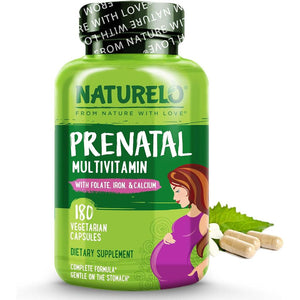
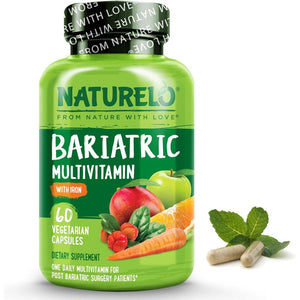
Pregnancy
 New mum
 Bariatric
 Active
 Gut health
 Plant-based
 Over 50


New mums
Iron after birth: do you need it, and which form
The short answer
You do not need an iron supplement after birth unless a blood test shows you are low. Iron is not recommended for everyone as standard, even after delivery. If you lost a lot of blood having your baby, or you feel exhausted beyond the ordinary tiredness of a newborn, ask your GP or midwife for a simple blood test rather than reaching straight for iron. If you do need it, a gentler form like bisglycinate, taken with vitamin C and away from tea and coffee, is the practical choice, and it is safe to take while breastfeeding.
- Iron after birth is for people found to be low, not a routine supplement.
- Ask for a blood test before starting, especially after heavy blood loss.
- A gentler form, ferrous bisglycinate, is easier on the stomach.
- Take it with vitamin C, away from tea, coffee and calcium.
- Too much iron is not harmless, so do not self-prescribe a high dose.

Do you need iron after birth
Probably only if a test says so. The NHS does not recommend iron for everyone after birth. It is for those found to be low or anaemic, which a blood test confirms. Heavy blood loss during delivery is the common reason iron drops, and if that applies to you, your midwife may already have arranged a test. Tiredness alone is not a reliable sign, because a newborn will make anyone tired. Get a blood test before you supplement.
How much
For context, the reference intake for adult women is 14.8 milligrams a day. If a clinician has found you are low, they will guide the amount and how long to take it. This is one nutrient where more is not better, so let a clinician set the amount.
The gentler form, and how to take it
If you have had iron tablets before and found them hard going, the form matters more than most people are told. Ferrous bisglycinate is a chelated form chosen for tolerability, and it tends to be easier on the stomach than older iron salts. Our gentle iron pairs 25 mg of ferrous bisglycinate with 50 mg of vitamin C in one capsule. Iron contributes to the reduction of tiredness and fatigue and to the normal formation of red blood cells and haemoglobin.
What helps and hinders absorption
A few simple habits make a real difference. Vitamin C helps you absorb iron, which is why the two are often paired. Tea, coffee and calcium-rich foods or supplements reduce absorption, so it is worth spacing iron away from your morning cup and from a calcium tablet by an hour or two. Taking it with a little food usually helps with any queasiness.
Is it safe while breastfeeding
Yes, iron is safe to take while breastfeeding when you need it. The caution here is about taking iron you do not need, because too much iron is harmful. Breastfeeding itself is not the issue. That is the whole reason for the test-first approach.
If you need iron
If a test has shown you are low, let a clinician set the amount. Our gentle iron with vitamin C is the same form we discuss in the iron bisglycinate guide. If you are not low, you almost certainly do not need it.
FAQ
Questions people ask
Do I need iron after giving birth?
Only if a blood test shows you are low. It is not a routine supplement for everyone.
Is it safe to take iron while breastfeeding?
Yes, when you need it. The risk is in taking iron you do not need. Breastfeeding itself is not a reason to avoid it.
Which iron is gentler on the stomach?
A chelated form such as ferrous bisglycinate tends to be better tolerated than older iron salts.
How should I take iron so it works?
With vitamin C, and away from tea, coffee and calcium by an hour or two.
Keep reading
Related guides
Read the guide →Postnatal vitamins: what to take after birth and while breastfeeding (UK)The one supplement the NHS asks everyone to take while breastfeeding, what a postnatal adds, and when you need iron. Clear and UK-based.
Read the guide →
Written by NATURELO Editorial Team
Edited by Milan Shah, Certificate in Plant-Based Nutrition
This guide is general information, not a substitute for advice from your GP, midwife or pharmacist.