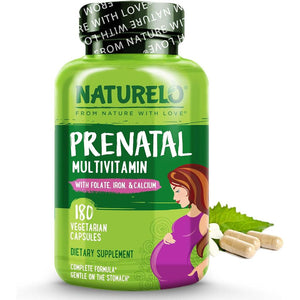
Pregnancy
 New mum
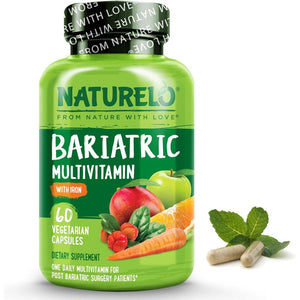
 Bariatric
 Active
 Gut health
 Plant-based
 Over 50


Everyday health
Do you actually need a multivitamin?
The short answer
If you are a healthy adult eating a varied diet, a daily multivitamin does little for you, and it is fair to be sceptical. It becomes useful when your diet has real gaps, whether from restriction or a higher-need life stage. Whether or not you take one, the supplement that matters most for people in the UK is vitamin D through the autumn and winter.
- For a well-fed adult, a multivitamin adds little. The scepticism is reasonable.
- It helps patchy diets, restricted diets and higher-need stages.
- Vitamin D in winter matters more than a multivitamin for most people.
- A multivitamin is there to cover dietary gaps, nothing more.

The case against
The sceptics are right about a lot of this. If you eat a varied diet with fruit, vegetables, wholegrains, protein and some dairy or fortified alternatives, you are already getting most of what a multivitamin contains. For that person, a daily multivitamin does little, and the evidence backs that up. Any brand claiming every adult needs one is overstating the case.
Where a multivitamin does help
The picture changes when there is a real gap. A multivitamin is useful if you eat a restricted diet such as vegan or dairy-free, where a handful of nutrients need planning; if your eating is patchy, with weeks where vegetables are scarce and meals are grabbed; or at higher-need stages, which we cover in the pregnancy, new-mum and over-50 guides. For any individual, it comes down to whether your diet leaves a gap worth covering.
Vitamin D is the real everyday one
One point holds even if you skip the multivitamin. Between about October and March, UK sunlight is too weak for your skin to make vitamin D, so the NHS suggests adults consider 10 micrograms a day through those months, and all year for some groups. For most people that single habit does more than a broad multivitamin. Our vitamin D guide covers how much and which form.
How to decide for yourself
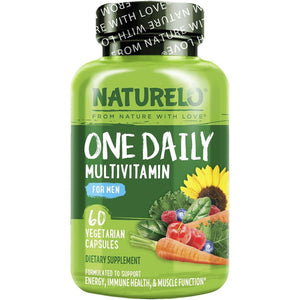
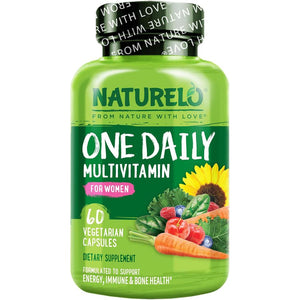
A short way to choose: if you eat well and have no restrictions, take vitamin D in winter and leave the rest. If your diet is patchy or restricted, a simple daily multivitamin is sensible cover, and a single capsule is easier to keep up than an elaborate regimen. Our one-daily essentials range keeps it to a single capsule so it is easy to keep up. In that range, vitamins C and D, zinc and folate contribute to the normal function of the immune system. Men in particular can check what is and isn't worth taking in our guide to choosing a multivitamin for men.
FAQ
Questions people ask
Are multivitamins a waste of money?
For a healthy adult eating well, largely yes, beyond vitamin D in winter. For patchy or restricted diets, a multivitamin is useful cover.
Who should take a multivitamin?
People on restricted diets, people whose eating is genuinely patchy, and those at higher-need life stages.
Do healthy people need multivitamins?
Usually not, if the diet is varied. Vitamin D through autumn and winter is the exception for nearly everyone in the UK.
If I only take one thing, what should it be?
Vitamin D in the darker months, per NHS advice.
Keep reading
Related guides
Read the guide →One-a-day vs whole-food multivitamins: how to chooseOne capsule a day or a fuller food-based formula? The honest trade-off between a one-a-day and a whole-food multivitamin, and how to pick.
Read the guide →
Written by NATURELO Editorial Team
Edited by Milan Shah, Certificate in Plant-Based Nutrition
This guide is general information, not a substitute for advice from your GP, midwife or pharmacist.