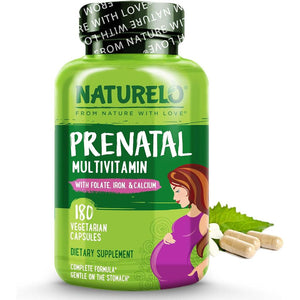
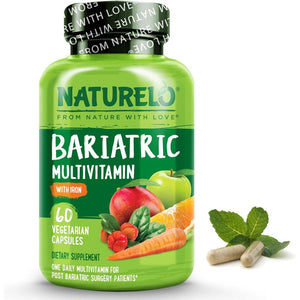
Pregnancy
 New mum
 Bariatric
 Active
 Gut health
 Plant-based
 Over 50


Everyday health
Whole-food vs synthetic multivitamins: the difference explained
The short answer
For most vitamins, the molecule in a whole-food product and the molecule in a standard one are chemically the same, so synthetic is not a lesser or harmful version. What a whole-food source brings is the other compounds it comes packaged with in the plant, such as bioflavonoids alongside vitamin C. Some people prefer that fuller package and a gentler, food-based form. That is a fair preference, as long as no one claims the vitamin itself is different.
- For most nutrients the molecule is identical whichever the source.
- Synthetic vitamins are not inferior or harmful; claims that they are come from marketing.
- Whole-food sources add co-occurring plant compounds like bioflavonoids.
- Whole-food is a reasonable preference, though it offers no measurable health advantage.

Is synthetic vitamin C different from natural?
Take the clearest example. The ascorbic acid made in a lab is the same molecule as the vitamin C in an orange. Your body cannot tell them apart, because at the molecular level they are the same. This matters because a lot of copy online implies synthetic vitamins are somehow toxic or fake, and that is not what the chemistry says. The evidence does not support the idea that a standard vitamin harms you, and scare marketing for the "natural" version is not something to trust.
What whole-food means
A whole-food vitamin is one where the nutrient comes from, or is delivered with, a food source rather than as the isolated compound alone. Vitamin C from acerola cherry is a common example. The difference lies in what comes with the vitamin: the bioflavonoids and other plant compounds that occur alongside it in the fruit. Whether those co-factors add a meaningful benefit is not firmly settled, so they are not worth overstating.
So is one better?
Neither is superior in the way the marketing suggests. A synthetic multivitamin at sensible amounts does the job the label describes, and so does a whole-food one. A whole-food form can appeal for its fuller package and, for some people, easier tolerance. Follow the preference if it appeals to you; there is no need to worry about it otherwise. More important than "natural versus synthetic" is taking sensible amounts, in a form you get on with, every day.
Who might prefer a whole-food multivitamin
If you like the idea of your vitamins arriving with the plant compounds they occur with in food, and you want to see what is in the formula, a whole-food multivitamin is a reasonable pick. Our whole-food range is built that way and shows what is inside before you buy. In our whole-food range, vitamin C, D and zinc contribute to the normal function of the immune system. If you would rather not pay a premium for the co-factors, a straightforward daily multivitamin is an equally good choice, and our guide to one-a-day versus whole-food weighs that up.
FAQ
Questions people ask
Are synthetic vitamins bad for you?
No. For most vitamins the synthetic molecule is chemically identical to the one in food. The "synthetic is toxic" framing is not supported by the evidence.
Is whole-food vitamin C better than ascorbic acid?
The vitamin is the same molecule. Whole-food sources bring bioflavonoids and other fruit compounds alongside it, which some people prefer.
What are whole-food vitamins?
Vitamins that come from, or are delivered with, a food source, so the co-occurring plant compounds come with them.
Do synthetic vitamins work?
Yes. At sensible amounts they do the job the label describes, the same as a food-based form.
Keep reading
Related guides
Read the guide →Do you actually need a multivitamin?An honest answer for a healthy adult: when a multivitamin is worth taking, when it is not, and the one supplement that matters more.
Read the guide →
Written by NATURELO Editorial Team
Edited by Milan Shah, Certificate in Plant-Based Nutrition
This guide is general information, not a substitute for advice from your GP, midwife or pharmacist.